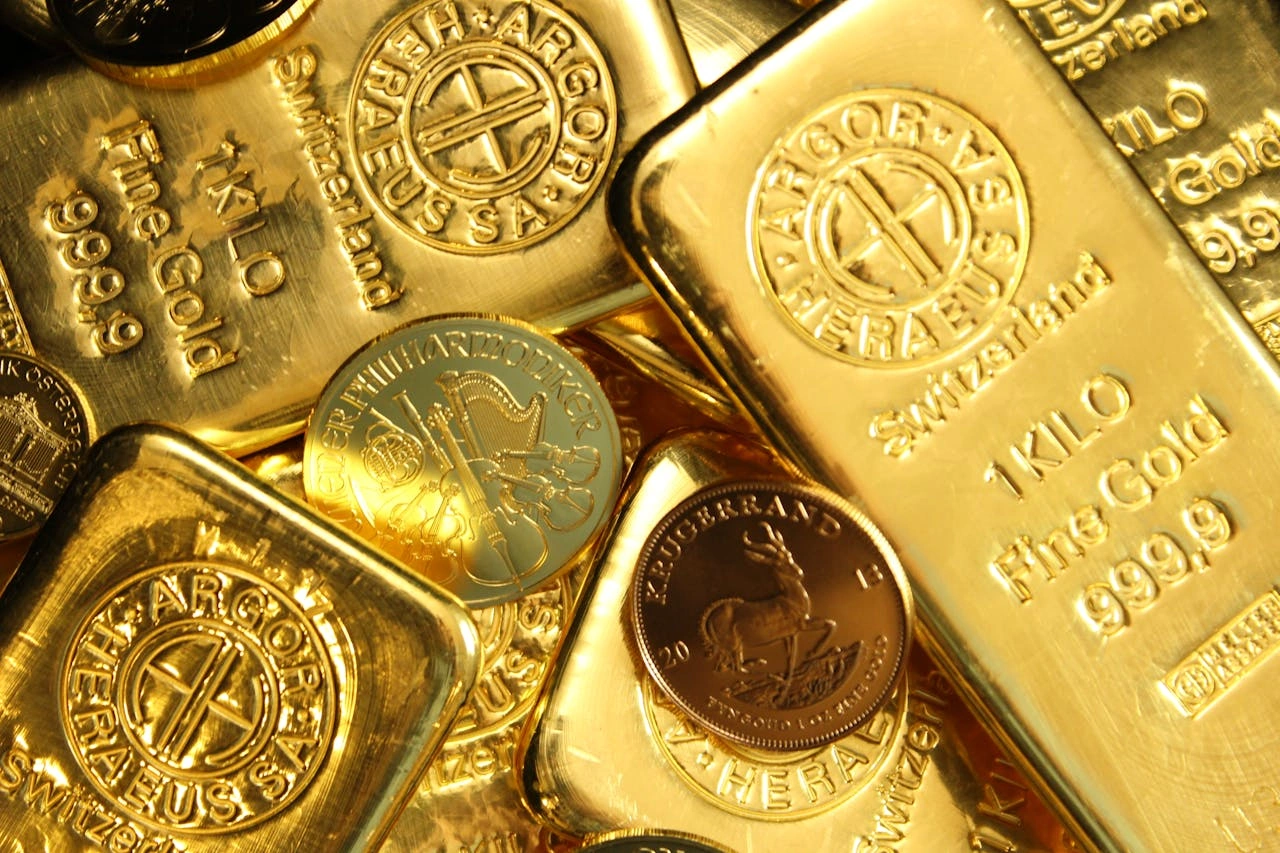
Gold prices strengthened after the Federal Reserve delivered a widely anticipated rate cut accompanied by a noticeably dovish shift in its policy messaging.
The move sparked renewed optimism across precious metals markets, as investors interpreted the Fed’s stance as a sign that economic stability is becoming a greater priority than aggressive inflation control.
With Treasury yields easing and the U.S. dollar retreating, demand for gold as a safe haven asset gained fresh momentum, reinforcing expectations of near-term upside.
Gold Prices Strengthen as Fed Delivers Third Consecutive Cut
Gold prices climbed as much as 0.7% following the Federal Open Market Committee’s vote to lower the federal funds rate by 25 basis points to a range of 3.5%–3.75%. The move, largely expected by markets, was accompanied by subtle changes in the Fed’s policy statement that suggested increasing uncertainty about the timing of future cuts.
The updated projections indicated the central bank still expects just one rate reduction in 2026, consistent with its forecast in September. However, analysts noted a shift in tone toward a more dovish stance, easing concerns that policymakers would take a harder approach to inflation in the coming months.
Anna Wong, Chief U.S. Economist at Bloomberg Economics, described the overall communication as “leaning dovish,” which helped fuel additional support for bullion.
Prior to the announcement, traders had feared the Fed might deliver what many call a “hawkish cut”, a reduction in rates paired with a more aggressive inflation warning. Instead, investors interpreted the message as balanced, with risks to employment gaining more attention.
Gold traditionally performs well in low interest-rate environments because reduced yields weaken the relative appeal of interest bearing assets. With Treasury yields and the U.S. dollar both declining after the announcement, the setup further strengthened the case for higher gold prices in the near term.
Fed’s Liquidity Measures Add Additional Boost to Market Confidence
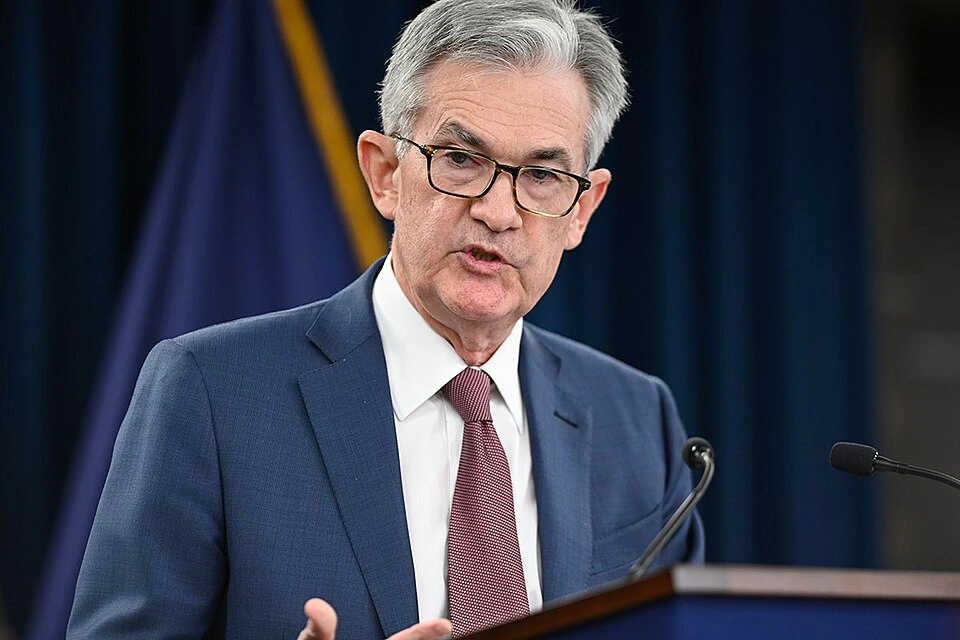
Beyond the rate cut, the Fed introduced a notable liquidity initiative: beginning December 12, the central bank will purchase $40 billion of Treasury bills per month. The program aims to rebuild banking-system reserves that had depleted during the period of balance-sheet tightening.
Bart Melek, Global Head of Commodity Strategy at TD Securities, noted that the move resembled “mini quantitative easing,” even if the Fed describes it as a liquidity-management tool.
According to Melek, this shift provides extra support for gold prices, especially in an environment where investors anticipate leadership changes at the Fed next year that could bring even more dovish policy tendencies.
Earlier in the month, the Fed halted its quantitative tightening (QT) process as signs emerged that banking reserves were no longer abundant. The pause, combined with the new Treasury bill purchases, signals a willingness to prevent unnecessary stress in the financial system, another dynamic often seen as constructive for precious metals.
Traders continue to price in two potential rate cuts in 2026, with the next quarter-point reduction expected by June. Although the Fed’s official forecast remains more conservative, market sentiment suggests increasing confidence that policy will continue easing as economic conditions shift.
Also read: Gold Prices Stabilize Above $4,200 While Silver Jumps to Unprecedented Levels
Record Breaking Silver Rally Highlights Market Tightness
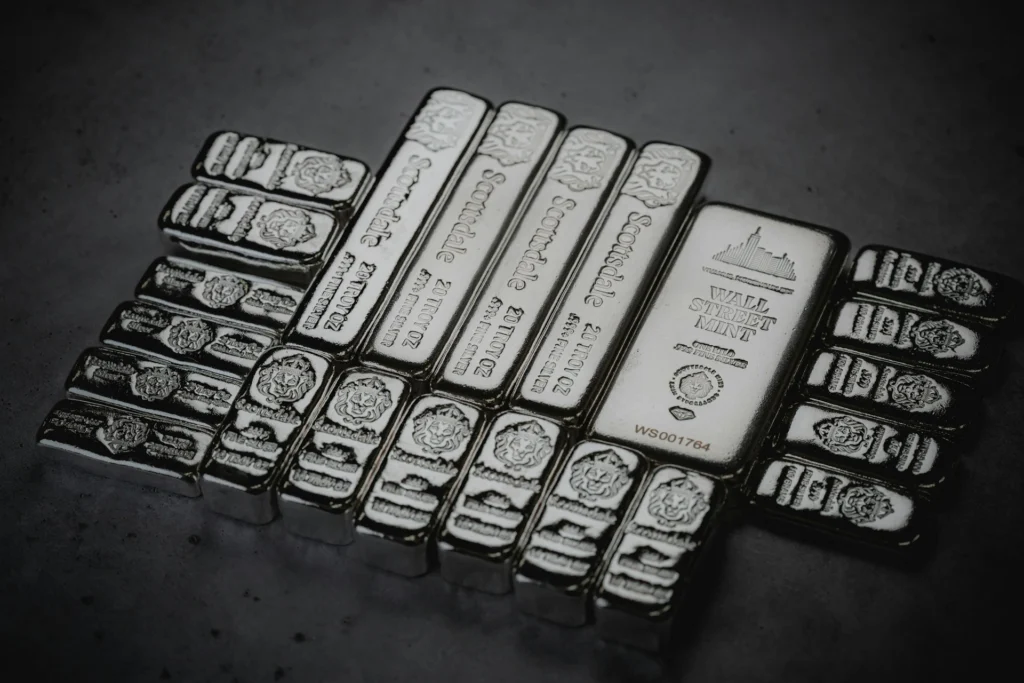
While gold prices drew significant attention, silver delivered the most dramatic market move of the day. Prices for the white metal surged to an all time high of $61.95 an ounce, more than doubling year to date. Analysts attribute the strong rally to a historic supply crunch that peaked in October and has yet to fully normalize.
Even though inflows into London based vaults have increased in recent weeks, borrowing rates remain elevated, an indication that availability remains tight. China, one of the world’s largest consumers of industrial metals, currently shows inventory levels at their lowest point in a decade, amplifying concerns about sustained shortages.
The bullish sentiment in gold provided an additional lift, reinforcing investor appetite for precious metals overall. However, not all metals participated in the rally, platinum and palladium declined, reflecting softer industrial demand trends.
Also read: Gold Prices Under Pressure as Silver Extends $60 Breakthrough
Gold Prices Poised for Further Momentum
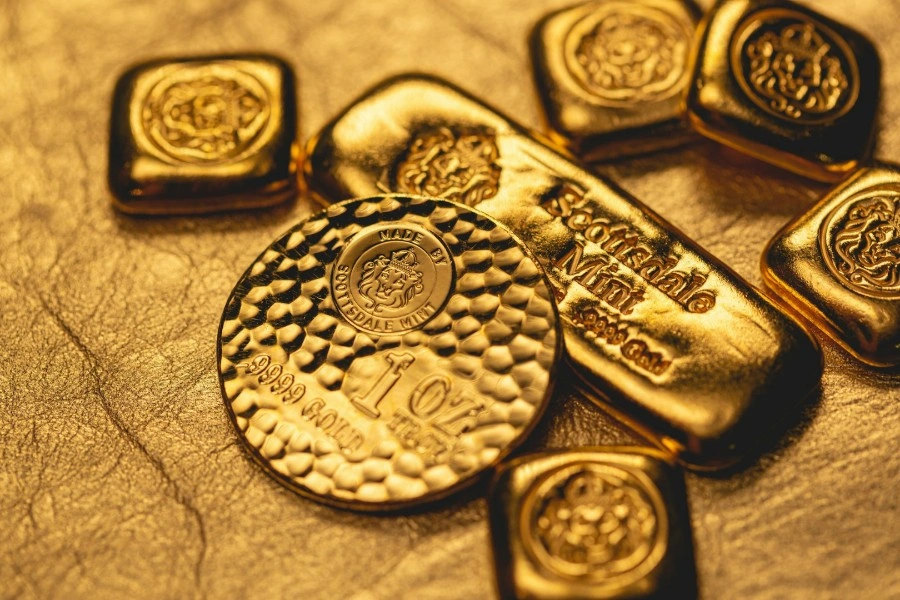
Spot gold rose 0.6% to $4,232.75 an ounce as of late afternoon in New York trading. Market analysts expect gold prices to maintain upward momentum in the short term, particularly if economic data continues to support expectations of further policy easing.
Melek added that with a potentially more dovish Fed chair likely to be appointed in May, the outlook for gold remains optimistic heading into early 2026. A combination of moderating inflation, softening labor conditions, and a more accommodative central bank could create the ideal backdrop for continued strength.
The Bloomberg Dollar Spot Index slid 0.4% after the Fed announcement, another supportive factor for gold prices as dollar weakness generally increases demand from non-U.S. buyers.
How do you feel?