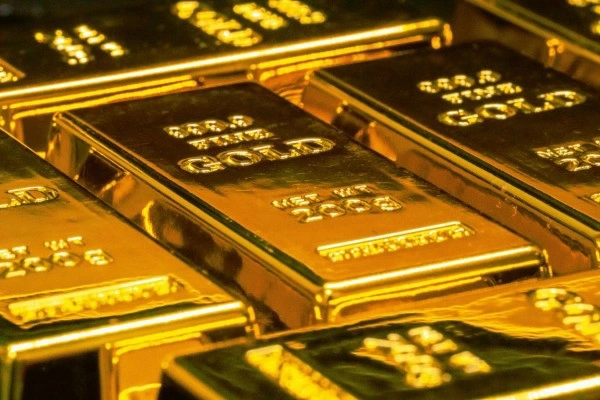
Gold prices stay elevated this week as investors remain laser-focused on what Federal Reserve Chair Jerome Powell will signal next. After months of market swings, traders are now less concerned about day-to-day volatility and more interested in the direction of monetary policy.
Every word from Powell’s upcoming appearance has the potential to shift sentiment, fuel new positioning, and determine how aggressively rate cuts may continue into 2025.
In this climate of anticipation, gold’s ability to hold near its recent highs underscores one message, investors are not ready to step away from safe-haven assets just yet.
Gold Prices Hold Firm Amid Shifting Global Sentiment
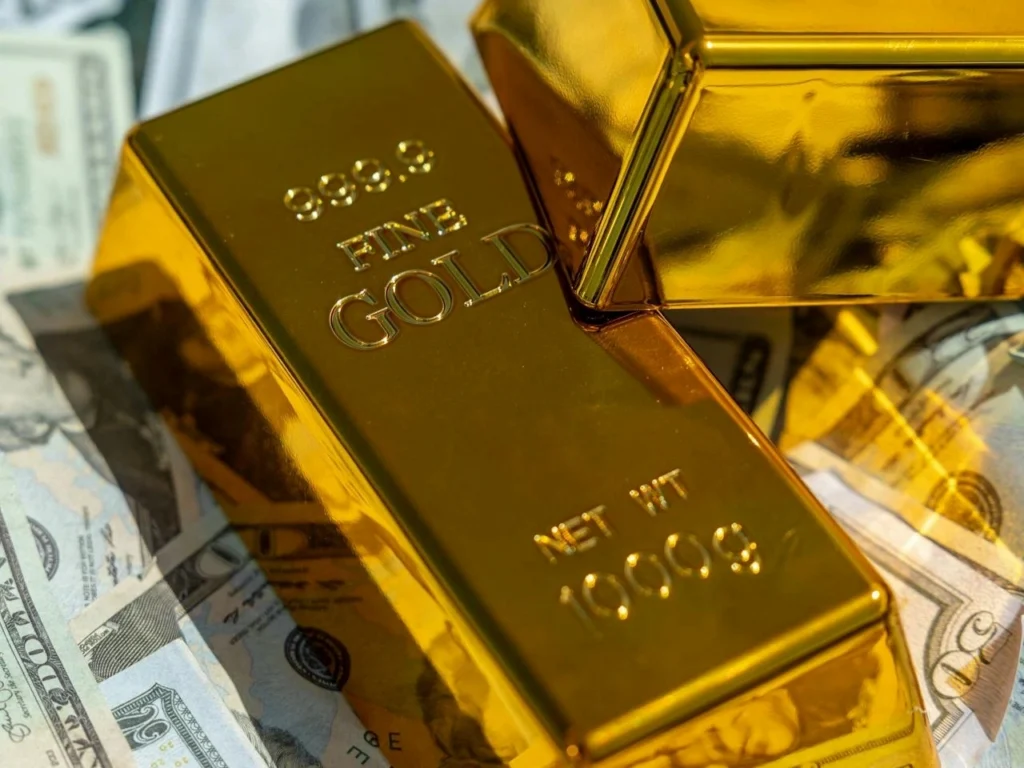
In recent weeks, markets have repeatedly rotated between safe-haven assets and high-risk trades, reflecting a fragile investment environment. Yet throughout these rotations, gold has remained a key anchor.
Even when equities and cryptocurrencies experienced short bursts of risk-on momentum, gold prices stayed elevated, reinforcing the metal’s reputation as a reliable hedge against volatility.
After reaching a record high of $4,381 per ounce in late October, gold temporarily eased as optimism increased over trade relations between the United States and China. Improved cooperation on critical mineral supplies and a short-lived reduction in geopolitical risks allowed investors to explore riskier assets.
However, renewed concerns over global growth, alongside geopolitical flare-ups, quickly drove demand back to gold.
The return to defensive allocations has validated gold’s role as a trusted safe-haven asset. Traders have shown little interest in reducing their exposure, especially with central bank policies in focus and global uncertainties far from resolved.
Technical Indicators Suggest Accumulation, Not Exhaustion
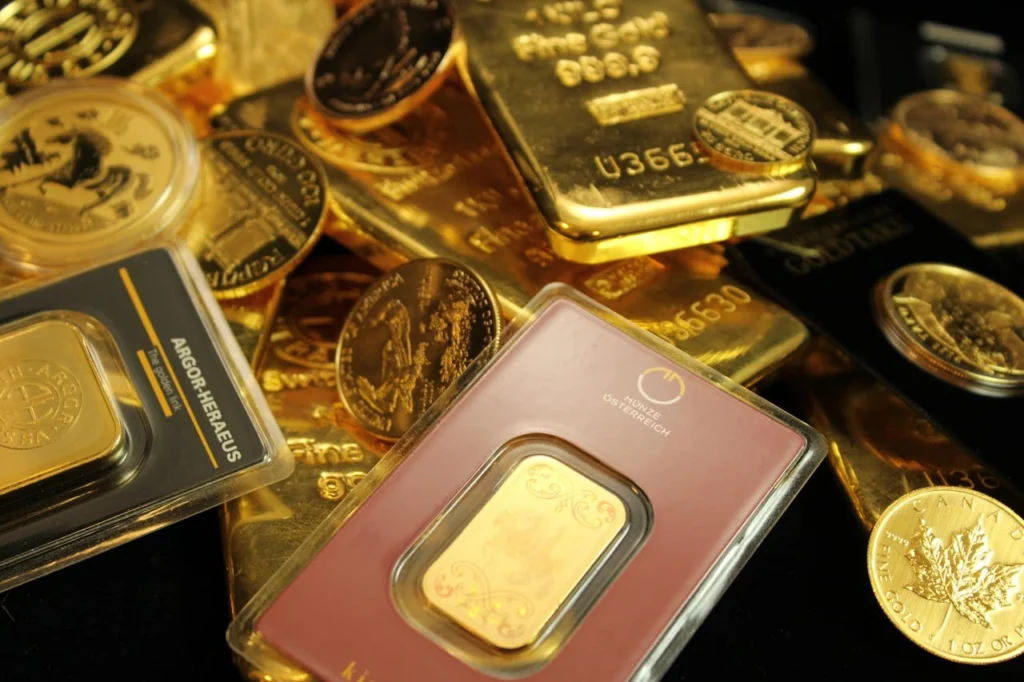
From a technical perspective, the metal’s performance remains constructive. Each decline in recent weeks has been met with strong buying interest at the 20-day Simple Moving Average. This key support level has been defended repeatedly, signaling ongoing accumulation rather than profit-taking.
Following the end of the temporary U.S. government shutdown and another 25-basis-point rate cut from the Federal Reserve, gold rebounded sharply. Prices surged to $4,264 earlier this week, breaking above the previous November high. Although momentum cooled later in the week, the trend of rising lows remains intact.
Many traders expect additional policy easing. Markets are currently pricing an 88% probability of another rate cut at the upcoming Federal Open Market Committee (FOMC) meeting, with further cuts projected into 2025 and 2026. These policy expectations form a strong foundation for continued upward movement in gold prices over the medium term.
Fed Policy Stance to Drive Near-Term Direction
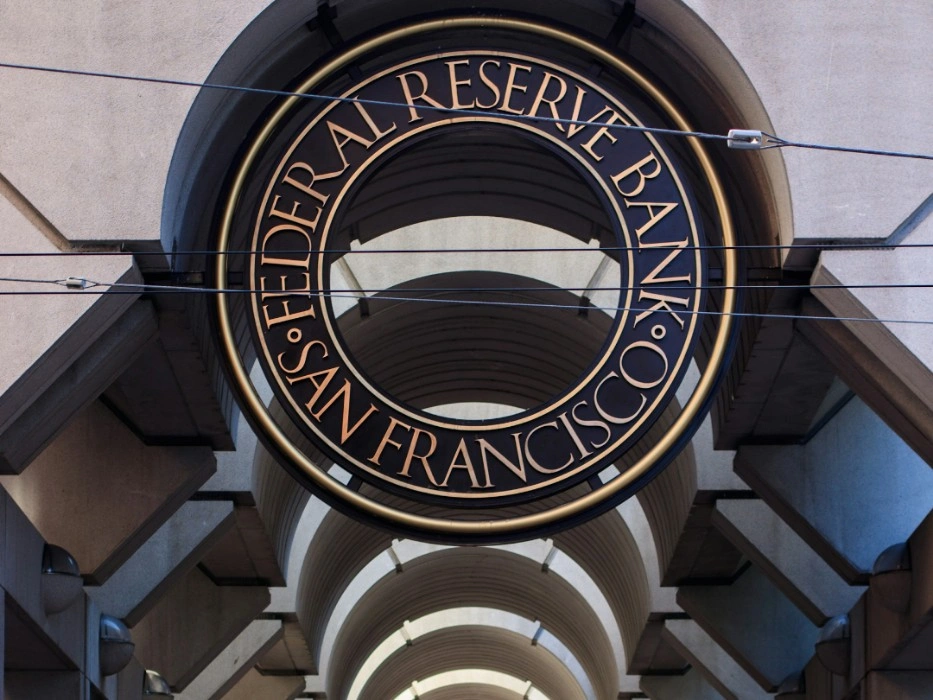
Global markets are now focused on a cluster of central bank decisions, including the Bank of Japan, Swiss National Bank, Bank of Canada, and Reserve Bank of Australia. Most are expected to hold rates steady. The main event, however, is Wednesday’s FOMC meeting.
While another cut is widely anticipated, traders will be watching for guidance on the pace of future easing. If the committee signals a pause, gold prices could experience temporary hesitation. But if policymakers indicate that additional cuts are likely through 2025 and beyond, the environment would remain highly supportive for precious metals and risk-sensitive assets.
Political uncertainty also adds a layer of intrigue. Speculation over Jerome Powell’s tenure, and the possibility that Kevin Hassett, known for supporting aggressive rate cuts, could replace him, may influence market sentiment and rate expectations.
Meanwhile, soft labor market data has strengthened the argument for continued easing. Recent figures from ADP, Challenger layoffs, and payrolls suggest weakening economic momentum. In such an environment, few traders are willing to reduce exposure to gold.
Institutional Buying Strengthens Long-Term Outlook
Long-term optimism is building among major financial institutions. UBS forecasts gold trending toward $4,200 over the next year, while Goldman Sachs projects prices could reach $4,900 by late 2026. These forecasts are driven by rising institutional interest and strong hedging demand.
Also read: Gold Price Today: 5 Tips for Safe & Profitable Gold Purchases in the UK
ETF inflows rose sharply in the third quarter, increasing by $26 billion and pushing total holdings to a record $472 billion. For the first time since 1996, global central banks collectively hold more gold than U.S. Treasuries. That shift marks a significant change in reserve strategy and provides a powerful structural tailwind for gold prices.
Even though China’s removal of VAT rebates may soften retail demand domestically, institutional and sovereign demand continues to outpace any weakness. Year-to-date gains of around 61% also position gold among the strongest-performing assets in global markets. The metal is on track to deliver a third consecutive year of double-digit growth.
The current consolidation phase reflects strength rather than exhaustion. Supported by dovish policy expectations, persistent geopolitical risks, and historic levels of institutional buying, gold prices appear well-positioned for further gains into 2025 and beyond.
How do you feel?