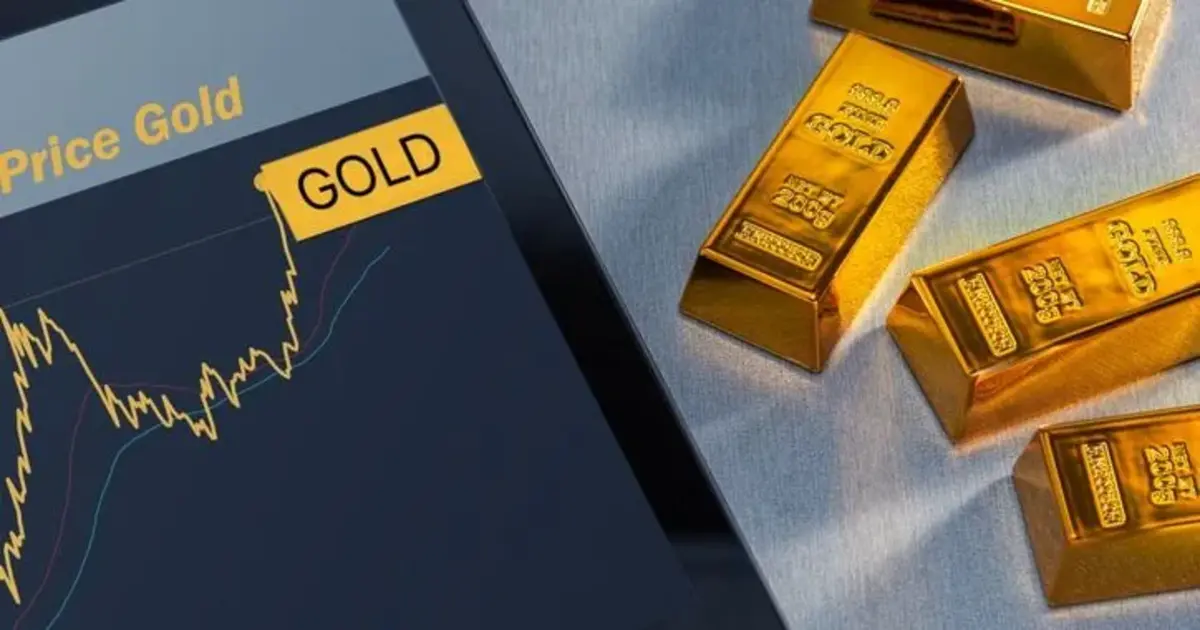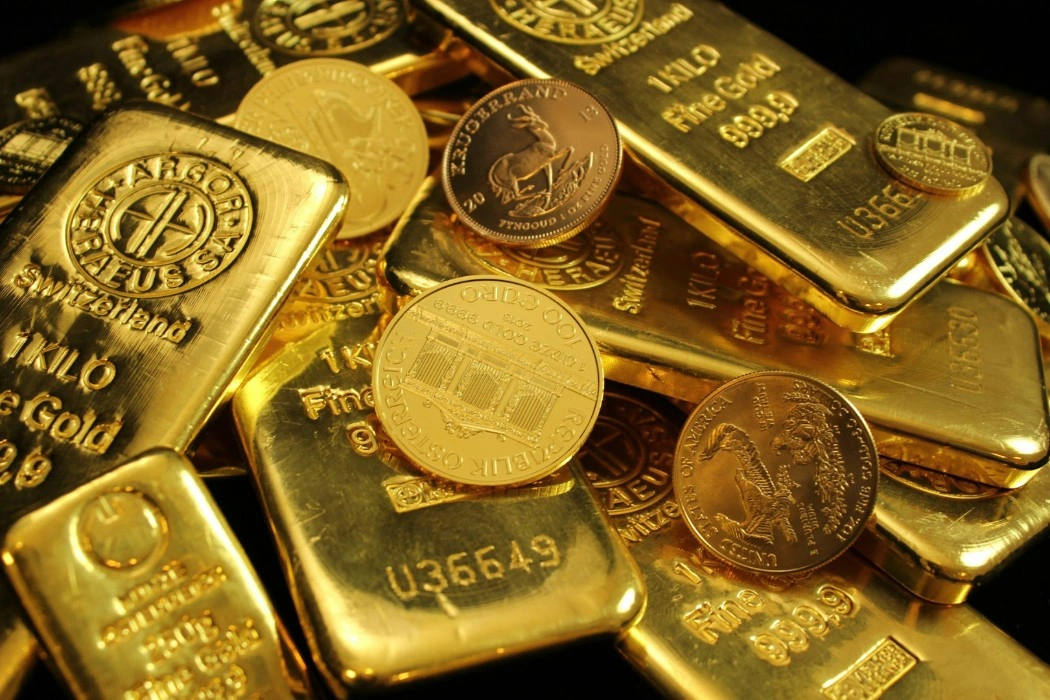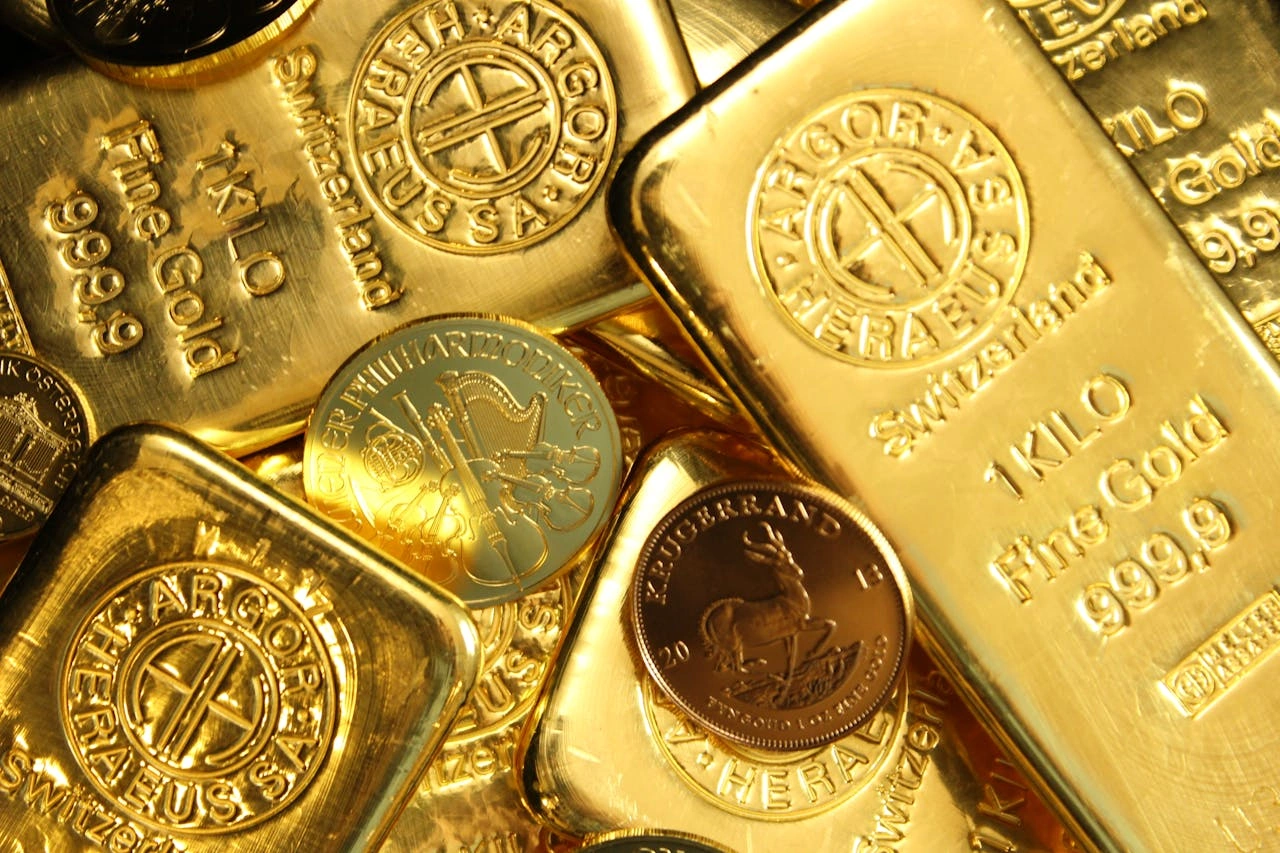
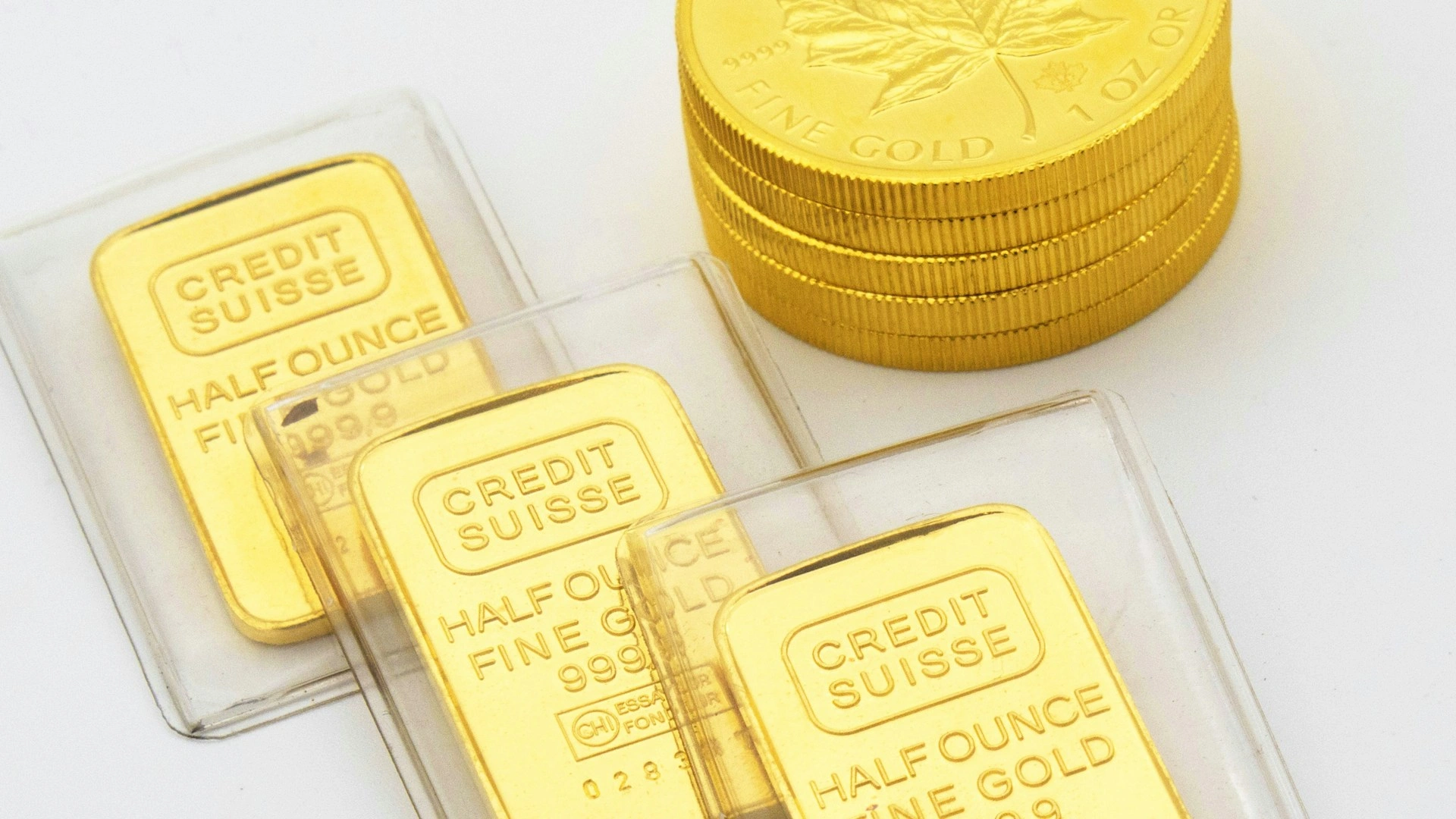
Gold prices returned above a key psychological level at the start of the week as financial markets positioned for a potential interest rate cut from the U.S. Federal Reserve. The move lifted risk sentiment, pressured the dollar, and helped support commodities, including energy markets.
While investors remain cautious ahead of the central bank meeting, the renewed momentum has strengthened expectations that a shift in U.S. policy could continue to underpin the precious metal into early next year.
Gold Prices Supported by Rate Cut Expectations
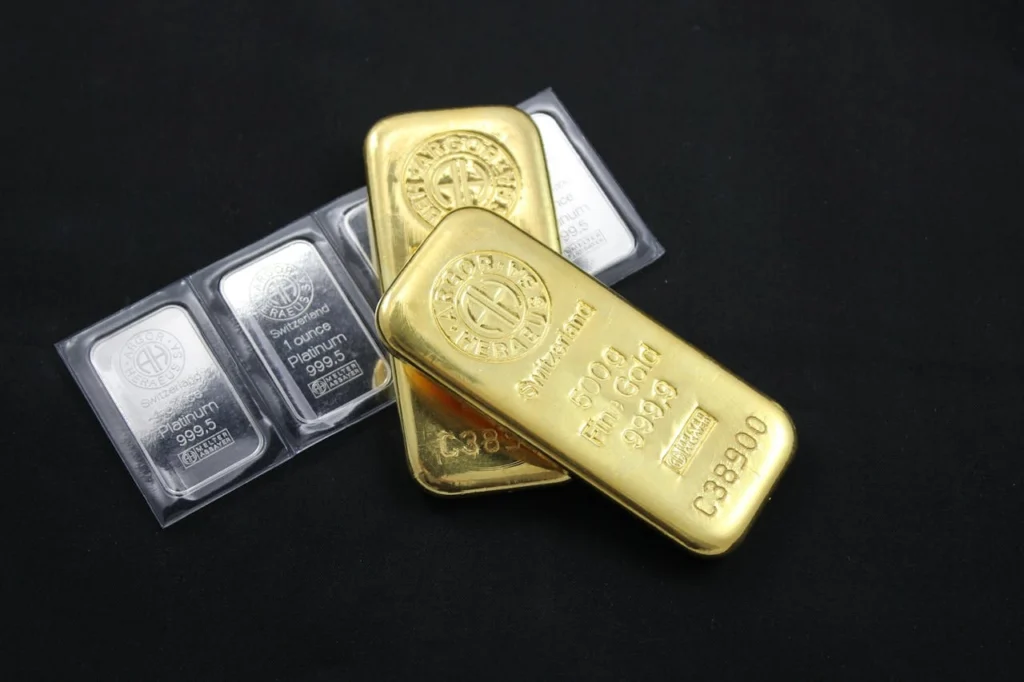
After a mildly volatile opening, gold futures slid 0.1% to $4,238.30 an ounce, while spot prices rose 0.3% to $4,209.73 during Monday’s European trading session. The rebound reflects a broader market belief that monetary easing is now in sight.
Analysts from HSBC noted that gold prices have recently returned to the $4,200 range, driven by rising risk aversion and an increasing likelihood of a 25-basis-point rate cut at the Federal Reserve’s policy meeting on 9–10 December. The analysts pointed to a drop in the U.S. Dollar Index below 99 as an important factor, given the inverse relationship between the dollar and gold.
While the U.S. currency has softened, the move has been modest. Market expectations indicate that the upcoming policy decision is already largely priced in, meaning additional downside in the dollar may be limited. This may cap short-term gains even as gold prices remain on an upward trajectory.
CME’s FedWatch tool shows that traders currently assign an 87% probability to a rate cut, with weaker U.S. economic figures and dovish commentary from policymakers pushing expectations higher. Lower borrowing costs tend to benefit non-yielding assets such as gold as real returns on cash and bonds decline.
UBS analyst Giovanni Staunovo said the bank still expects further monetary easing next year, forecasting that gold prices could reach $4,500 per ounce in 2025. However, physical demand remains soft, particularly in Asia, which may limit the pace of the rally in the near term.
Oil Steady Near Two-Week Highs

Crude oil markets moved sideways on Monday, holding close to two-week highs as traders waited for more clarity on U.S. policy while assessing geopolitical risks that could affect supply from Russia and Venezuela.
Brent crude futures fell 0.7% to $63.32 per barrel, while West Texas Intermediate contracts declined by the same margin to $59.67. Market participants are now watching both the Federal Reserve decision and developments in peace talks between Ukraine and Russia.
“The market is in a wait-and-see mode,” said Tamas Varga, oil analyst at PVM. He added that a breakthrough on a peace agreement could increase Russian exports and potentially push prices lower.
Progress remains slow, with key issues such as security guarantees for Kyiv and the status of Russian-held territory unresolved. Meanwhile, disagreements persist between Washington and Moscow over a peace proposal from the administration of U.S. President Donald Trump.
According to analysts at ANZ, the outcome of these negotiations could shift global oil supply by more than two million barrels per day. Commonwealth Bank of Australia’s Vivek Dhar highlighted that while a ceasefire is the main downside risk to oil markets, significant damage to Russian energy infrastructure could still send prices higher.
Over the longer term, Dhar expects supply concerns to resurface, particularly as Russian flows eventually navigate around sanctions. He forecasts futures will gradually move toward $60 per barrel through 2026.
Also read: Gold Price Today in The UK Rose Steadily by 0.42%, Ahead of This Week’s Federal Reserve
Pound Holds Steady as Markets Await Policy News
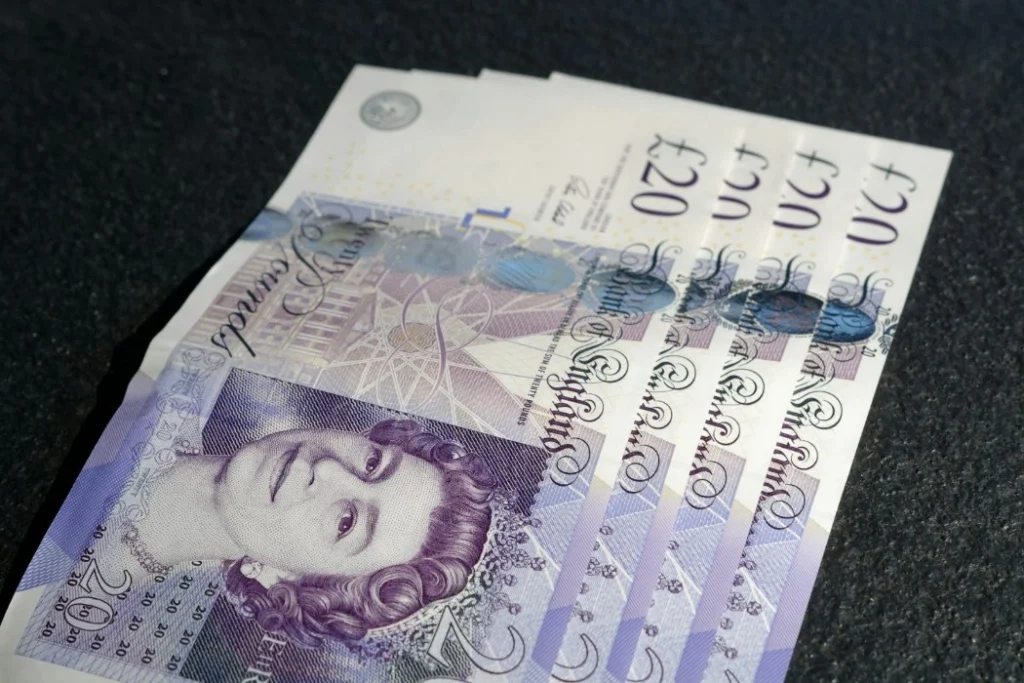
Sterling traded with little direction on Monday as investors awaited the Federal Reserve’s rate decision and fresh economic data from the United Kingdom. The pound rose modestly to $1.3321 against the dollar and slipped 0.2% versus the euro at €1.1426.
The U.S. Dollar Index remained flat at 98.98, offering little indication of market conviction ahead of the Fed meeting. Analysts at UOB Group maintained a constructive outlook, arguing that sterling could still move toward 1.3410 unless the currency breaks below its strong support level of 1.3265.
The monthly UK GDP estimate, due on Friday, is expected to provide additional insight into economic momentum as the year enters its final stretch.
Also read: Gold Prices Paused, Big Move Coming After Fed?
Gold Prices May Stay Elevated
While uncertainty remains, investors continue to focus on central bank policy and global growth prospects. If the Federal Reserve proceeds with a rate cut and signals more easing in 2025, many analysts believe gold prices have room to rise further.
Short-term volatility is likely, but the overall narrative remains supportive: a weaker dollar, declining real yields, and persistent geopolitical risks all provide a favourable backdrop for bullion.
In the months ahead, traders will monitor economic data, inflation trends, and policy guidance closely. For now, the combination of policy expectations and risk sentiment suggests that gold prices may stay elevated above the $4,200 level, keeping investor attention firmly on the metal as the year ends.
How do you feel?