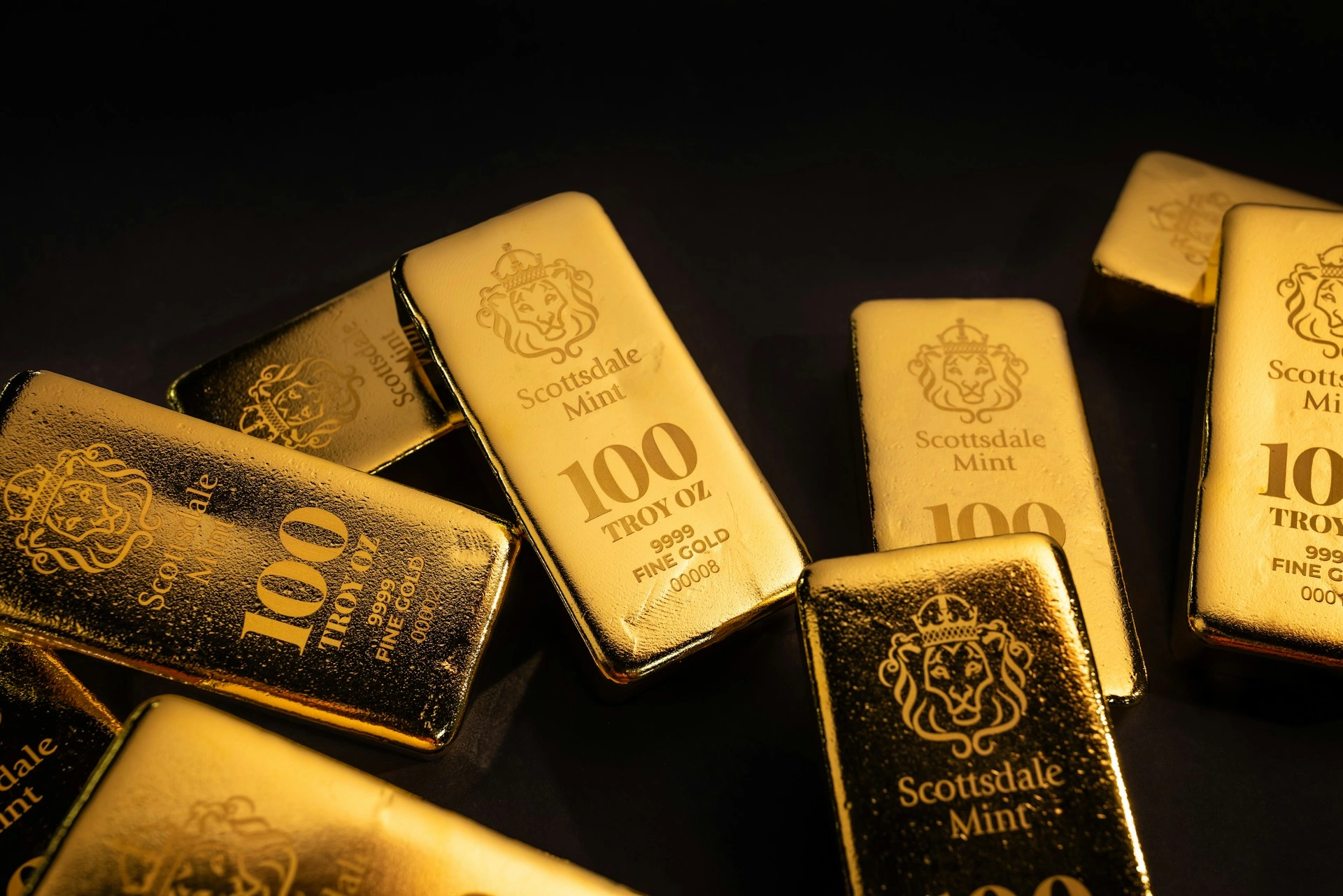
Gold prices are climbing once again as global markets navigate a rare convergence of economic uncertainty and geopolitical tension.
Investors are bracing for a potential policy shift from the US Federal Reserve, while rising threats from Russia are amplifying fears across Europe.
With monetary signals turning increasingly dovish and regional security risks intensifying, traders are turning to gold as a safe-haven anchor amid growing volatility.
Fed Cuts Rates and Introduces ‘Stealth QE’ as Gold Prices Strengthen
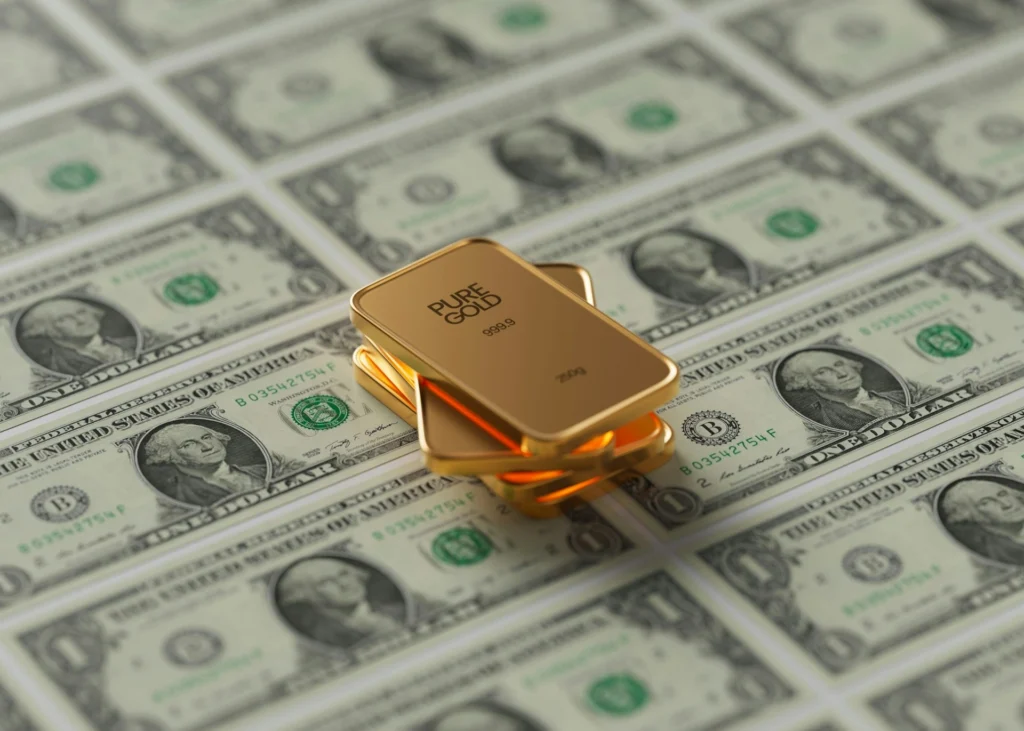
The US Federal Reserve returned to the spotlight after cutting its benchmark interest rate by 0.25 percentage points to around 3.6%, the lowest level in three years. The central bank also announced additional purchases of short-term Treasury securities to maintain adequate liquidity in the banking system.
The move immediately lifted gold prices, which traded near USD 4,240 per troy ounce in London on Thursday. Silver also surged to nearly USD 63 per ounce, up more than 115% year-to-date.
CNBC described the Fed’s action as “stealth easing,” as the new Treasury purchases resemble the quantitative easing (QE) programs launched in 2009, though presented in a different framework. While some observers, such as analyst Wolf Richter, argue the policy is merely a return to pre-2009 balance sheet management, market sentiment broadly interpreted the shift as a dovish turn.
For investors, any sign of monetary easing tends to support gold prices, given gold’s role as a hedge against uncertainty.
Europe on Alert as NATO Warns of Potential War with Russia
Beyond monetary policy, Europe is facing rising geopolitical anxiety. NATO Secretary General Mark Rutte warned that the region is already in Russia’s line of fire, nearly four years after Moscow launched its full-scale invasion of Ukraine.
“We are Russia’s next target, and we are already in harm’s way,” Rutte said in Berlin, urging EU leaders to prepare for a level of conflict not seen since the era of their grandparents.
The warning pressured European defense stocks, which had rallied sharply this year. The Stoxx Europe Total Market Aerospace & Defense Index remains three times higher than its level at the beginning of Russia’s invasion, but recent turbulence suggests that investors are reassessing long-term risks.
As geopolitical insecurity rises, analysts note that gold prices are benefiting from renewed safe-haven demand, reinforcing gold’s traditional role during periods of conflict and strategic uncertainty.
Also read: Gold Prices Strengthen on Fed Cut With Dovish Messaging
Markets Stay Volatile as Russia Moves to Tighten Gold Controls

Amid the broader tensions, Russia has also unsettled commodity markets with plans to restrict gold exports. According to Russian business daily Vedomosti, the government is preparing a new policy that would halt exports of refined gold bars beginning in 2026.
The initiative is part of a broader effort to limit capital flight and exert tighter control over precious-metal flows.
If implemented, the policy could tighten global supply and potentially push gold prices even higher, as Russia is among the world’s largest gold producers. Market participants are closely monitoring the developments due to their potential impact on international trade and commodity pricing.
The geopolitical climate further amplifies the effect. As relations between Russia and Western nations deteriorate, gold continues to strengthen as a preferred store of value.
Also read: Dovish Fed Stance Pushes Gold Prices Higher Despite Economic Uncertainty
Gold Prices Expected to Stay Elevated Amid Policy and Security Risks
Looking ahead, the outlook for gold remains firmly bullish. A dovish pivot by the Federal Reserve, potential supply disruptions from Russia, and deepening geopolitical tensions in Europe collectively create an environment that has historically supported rising gold prices.
With global equities struggling to break new highs and investors wary of a potential US economic slowdown, gold maintains its position as a defensive cornerstone in global portfolios. As long as policy uncertainty and geopolitical risks persist, gold is likely to hold at elevated levels and continue signaling broader shifts in global market sentiment.
How do you feel?