Gold prices remain firmly in the global spotlight as two of Wall Street’s most influential institutions, Bank of America and Goldman Sachs, signal that the metal’s historic rally still has room to run. Despite a period of consolidation in recent weeks, both banks argue that the underlying forces driving gold higher remain intact.
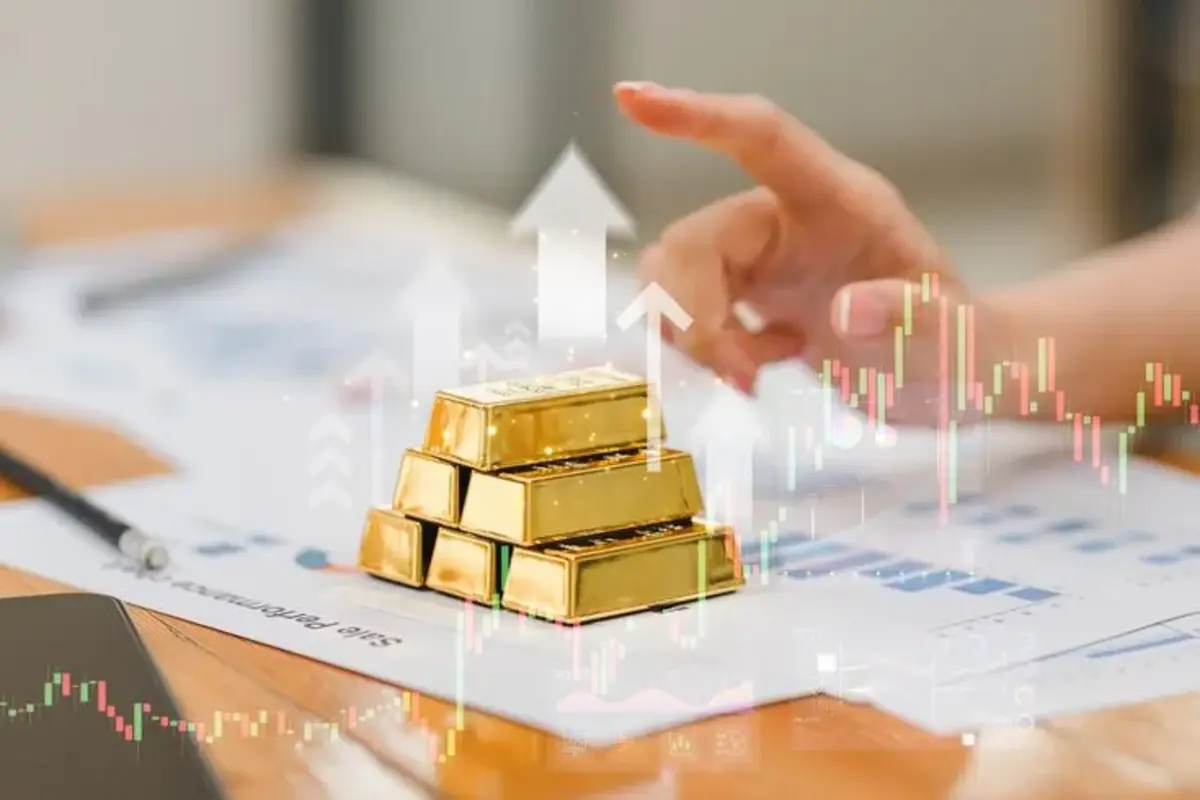
After starting the year near US$2,600 an ounce, gold has surged more than 60% year to date, trading steadily in the US$4,200–US$4,300 range. While some investors see stretched valuations, major banks view the recent pause as a healthy breather rather than a sign that the rally has peaked.
Bank of America Sees Consolidation, Not a Peak, For Gold Prices
In its latest outlook, Bank of America downplayed concerns that gold’s momentum is fading. Michael Widmer, the bank’s head of metals research, said rallies typically end not because prices look expensive, but because the drivers behind them lose strength.
“In gold’s case, those drivers are still very much in place,” Widmer said during the bank’s annual metals webinar.
While technical indicators suggest the market is overbought, Widmer emphasized that gold remains structurally underinvested. Among high net worth investors, gold accounts for only around 0.5% of total portfolio allocations, a figure Bank of America considers exceptionally low given the current macro environment.
That imbalance, Widmer argues, leaves ample upside potential. According to the bank, a relatively modest increase in investment demand, around 14%, could be enough to propel Gold prices toward the widely discussed US$5,000 per ounce level in 2026.
Bank of America’s base case forecast places gold at an average of US$4,538 an ounce next year, with upside risks skewed higher if macro tailwinds persist.
Goldman Sachs Highlights ‘Significant Upside’ for Gold Prices
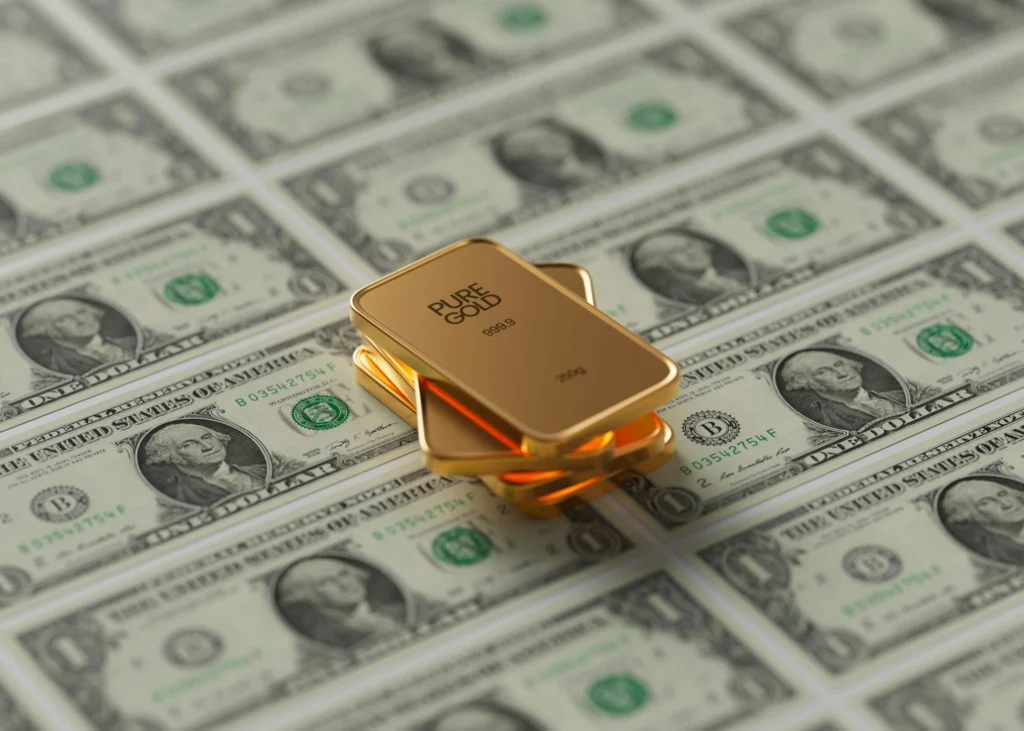
Goldman Sachs has echoed and reinforced this bullish narrative, describing gold as its top long commodity position. The bank forecasts gold at US$4,900 an ounce by the end of 2026 and says the risks to that outlook remain firmly tilted to the upside.
Goldman’s analysts point to the relatively small size of the global gold market as a critical factor. Compared with massive bond markets, even a modest reallocation of capital toward gold can have an outsized impact on prices.
“This is why Gold prices are so sensitive to changes in portfolio diversification,” the bank said in a recent note, adding that current levels of private-sector gold ownership remain unusually low.
Goldman also identified two key drivers likely to support further gains. The first is sustained central bank buying, particularly from emerging markets seeking to diversify reserves away from the U.S. dollar.
The second is the expected easing cycle by the Federal Reserve, which tends to support non-yielding assets such as gold by lowering the opportunity cost of holding them.
In its base scenario, Goldman sees roughly 20% additional upside by the end of 2026, even without the extreme volatility seen in 2025.
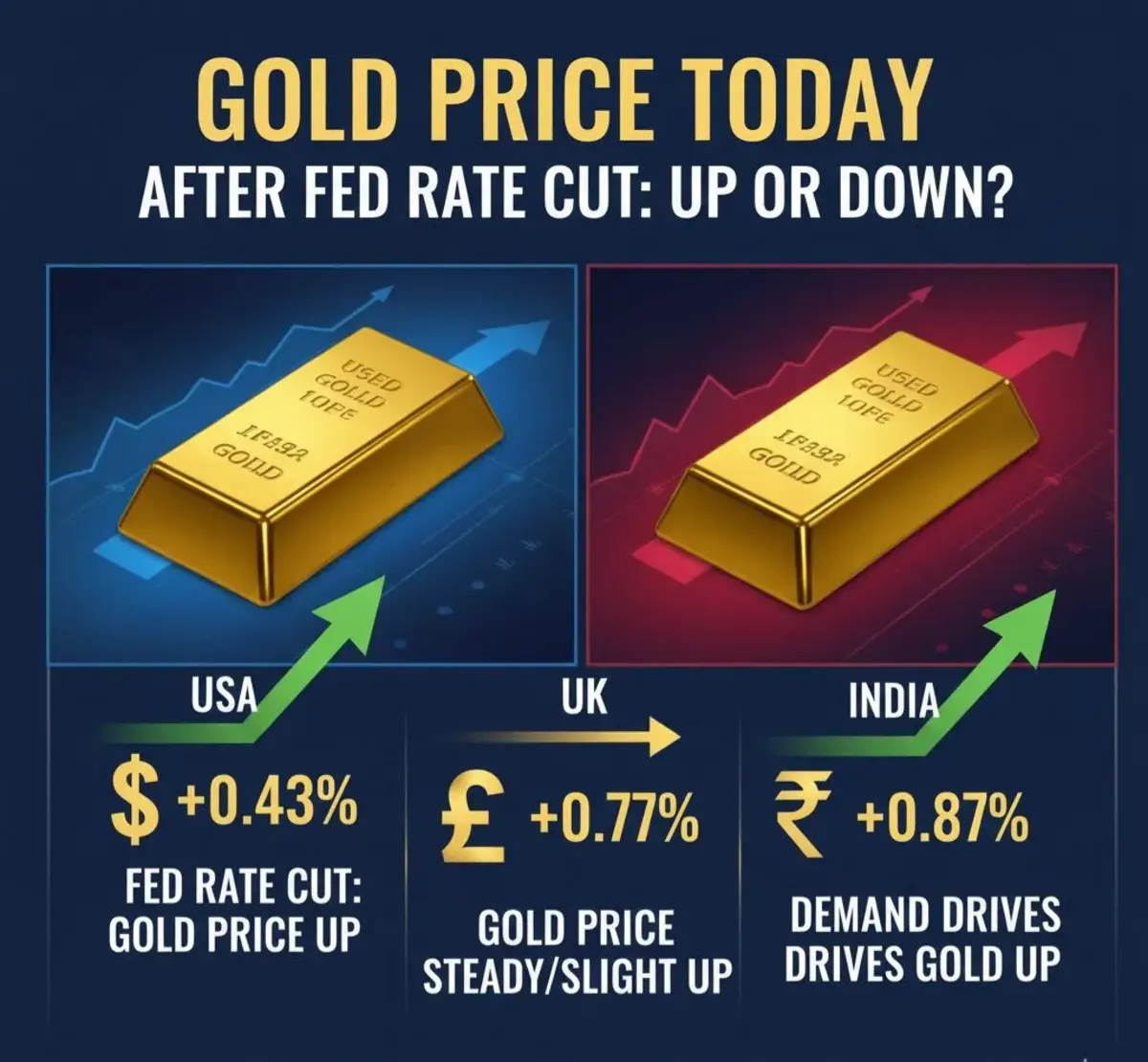
Also read: Gold Price Today Gains 1.2% With Silver Surge Post Fed Rate Cut, Outlook Hinges on Jobs Data
Wall Street Broadly Aligned on Gold Prices Outlook
The bullish stance is not limited to Bank of America and Goldman Sachs. J.P. Morgan expects gold to average around US$5,055 an ounce by the fourth quarter of 2026, with a longer term bullish case extending toward US$6,000 by 2028.
Meanwhile, Morgan Stanley and UBS have both raised their forecasts, projecting prices in the US$4,400–US$4,500 range for 2026. The convergence of views among major institutions suggests that the rally is increasingly seen as structural rather than speculative.
Also read: Gold Price Forecast 2026: Gold Price Today Remain High, Analysts Reveal Future Investment Strategies
Macro Forces Continue to Underpin the Rally
Gold’s exceptional performance in 2025 has been driven by three dominant forces. First, falling real yields and a weaker U.S. dollar have increased the appeal of gold as a store of value. Second, central banks have continued to accumulate gold at an aggressive pace, reinforcing long-term demand.
According to the World Gold Council, gold has recorded more than 50 all time highs this year alone. Third, heightened geopolitical and fiscal uncertainty has fueled demand for hedging assets, prompting even the Bank for International Settlements to warn of potential market imbalances.
Looking ahead, the trajectory of Gold prices will largely depend on monetary policy decisions, currency movements, and geopolitical developments. However, with institutional ownership still relatively low and support from both central banks and private investors, many analysts believe the recent consolidation phase could set the stage for the next leg higher.
For now, the message from Wall Street is clear, despite its remarkable run, gold’s shine may be far from fading.
How do you feel?