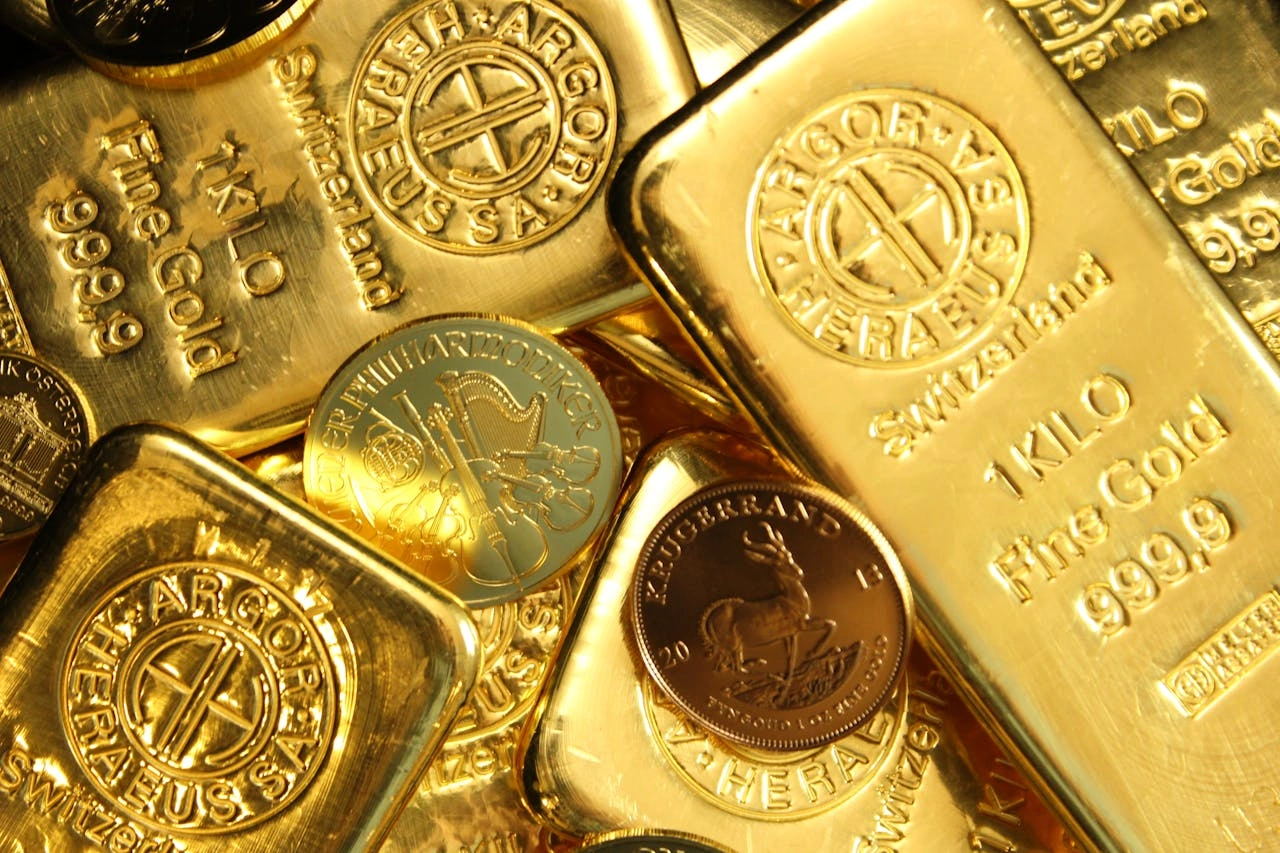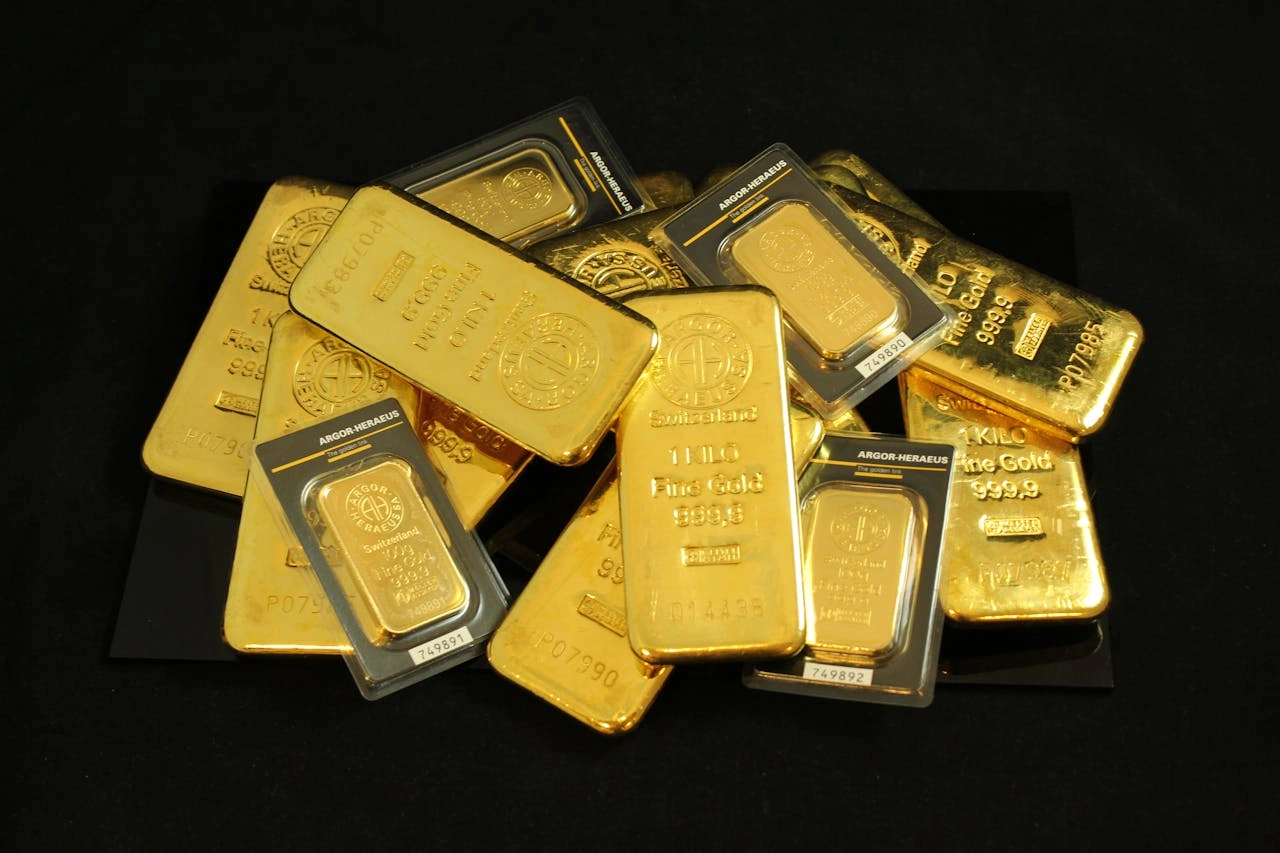
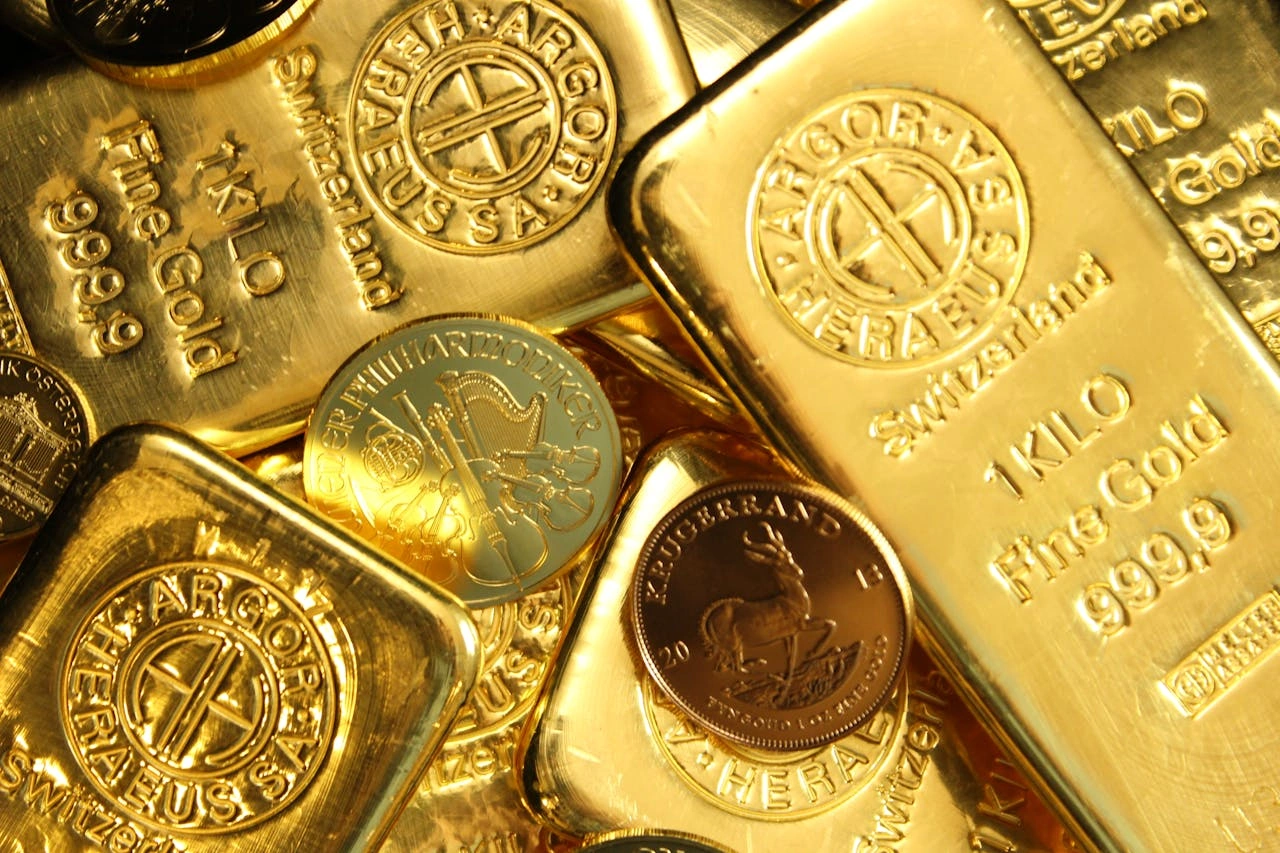
Gold prices steadied on Wednesday as weaker U.S. private payrolls data boosted expectations of an imminent interest rate cut by the Federal Reserve next week, while silver surged to a fresh all-time high. The combination of easing labor data, shifting monetary policy sentiment, and tightening global metal supplies has set the stage for an active week in precious metals trading.
Below is a comprehensive breakdown of recent market movements, the broader economic context, and what analysts expect next.
Soft U.S. Labor Data Supports Gold Momentum
The precious metals market remained in focus after new data from the ADP National Employment Report showed that U.S. private payrolls unexpectedly fell by 32,000 jobs in November.
Economists had anticipated an increase of around 10,000, making the decline a notable miss. This weaker-than-expected labor figure amplified speculation that the Federal Reserve will move forward with a rate cut at its policy meeting on December 9–10.
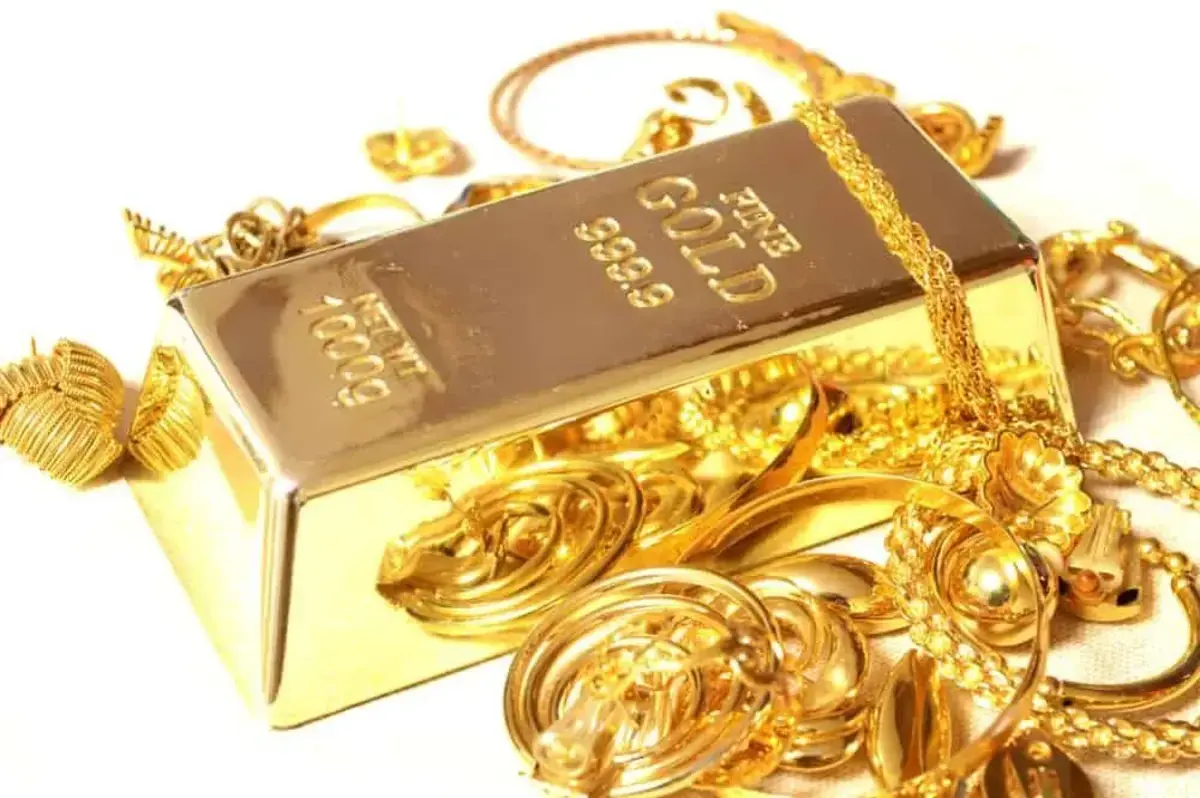
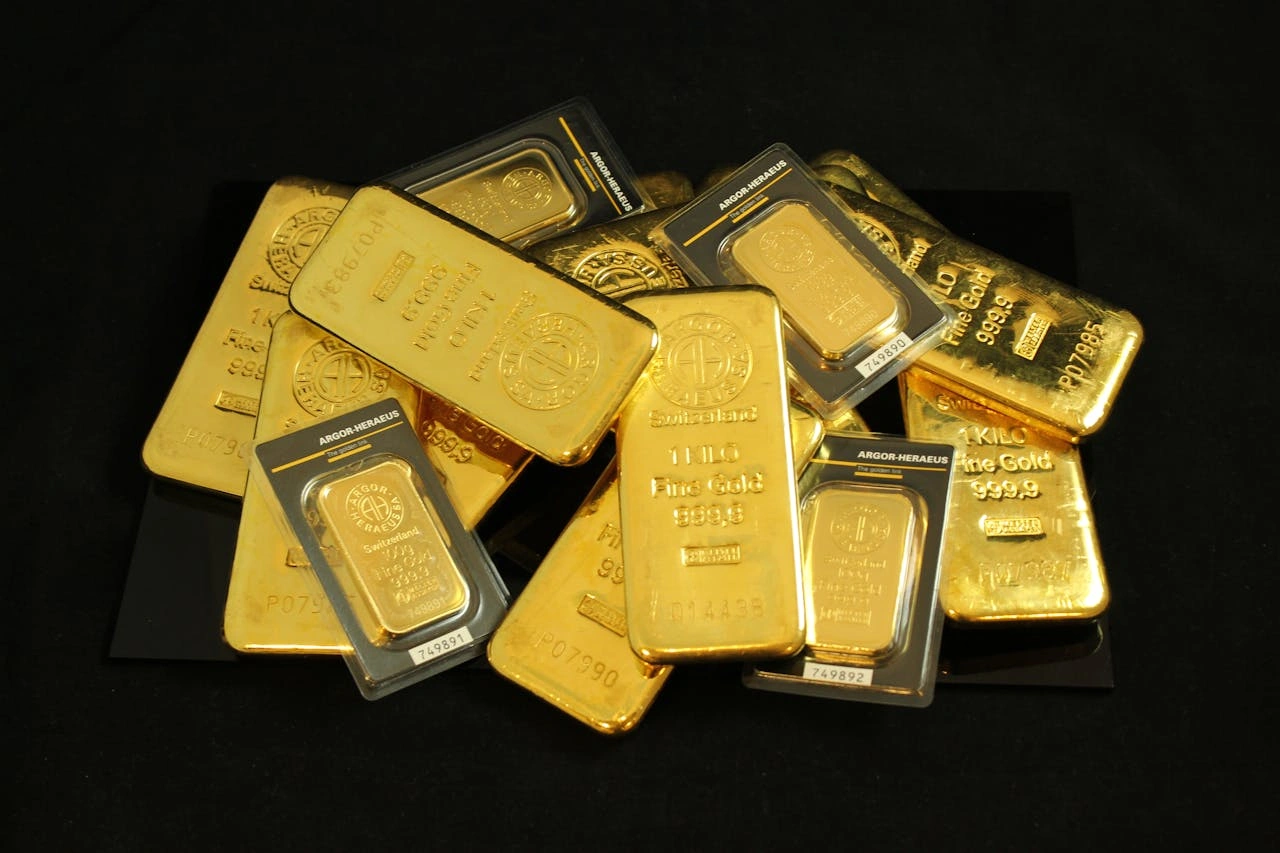
This shift in sentiment helped keep gold prices stable throughout Wednesday’s session. Spot gold hovered around $4,202.06 per ounce, with earlier highs reaching $4,241.29. Meanwhile, U.S. gold futures for February delivery settled 0.3% higher at $4,232.50, further reinforcing market confidence that gold prices may remain supported in the short term.
According to Bob Haberkorn, senior market strategist at RJO Futures, the weaker labor report aligned closely with the ongoing surge in silver. “This morning’s miss on ADP data, combined with silver hitting all-time highs overnight, is supportive for gold,” he noted.
Haberkorn added that gold appears to be “following silver at the moment,” suggesting that the broader precious metals rally is boosting gold prices beyond typical macroeconomic drivers.
Silver’s Record-Breaking Rally Intensifies Market Interest
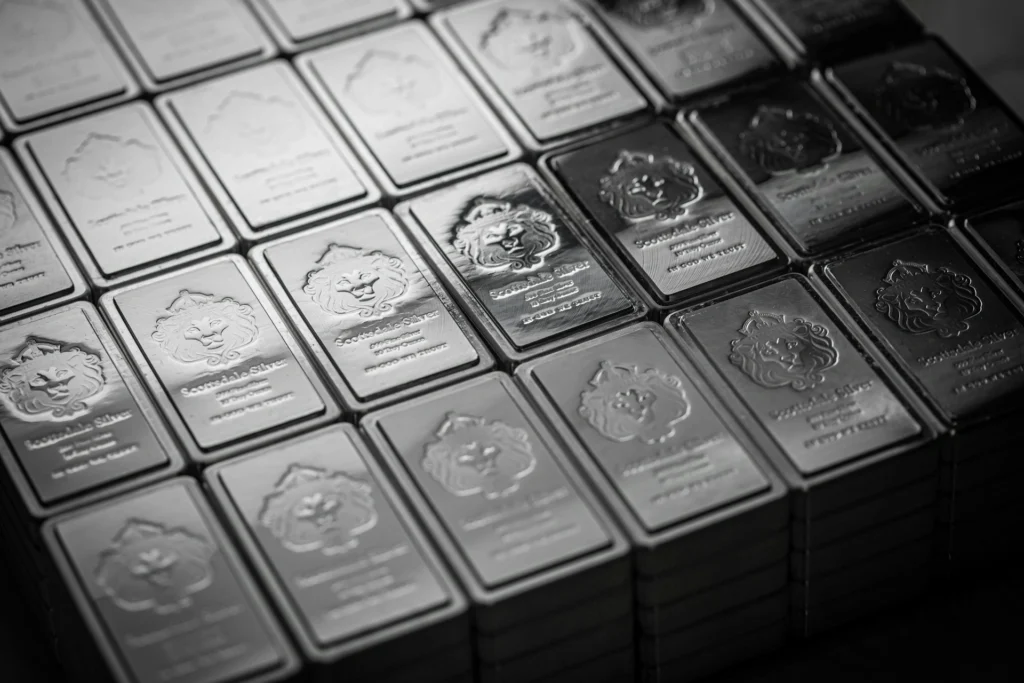
While gold remained steady, silver stole the spotlight after surging to a new lifetime high of $58.98 per ounce earlier in the day. The market’s enthusiasm for silver has been driven by multiple factors, including tightening supply conditions, growing investor demand, and its recent inclusion on the U.S. critical minerals list.
Silver has gained an astonishing 102% year-to-date, an unusual performance even in the historically volatile silver market. Analysts attribute the strong climb to structural supply deficits and concerns over market liquidity following significant outflows toward U.S. equities.
Also read: Gold Prices Stay Near Record Highs, Bitcoin Rebounds, and U.S. Markets Strengthen
Haberkorn emphasized that the recent strength in silver is closely tied to “supply concerns at the exchange levels,” noting that the metal could surpass the $60 mark in the near term. This rapid rise in silver has indirectly contributed to firmer gold prices, as investors increasingly view precious metals as a collective hedge against economic uncertainty.
Rate-Cut Bets Strengthen as Markets Await Key Inflation Data
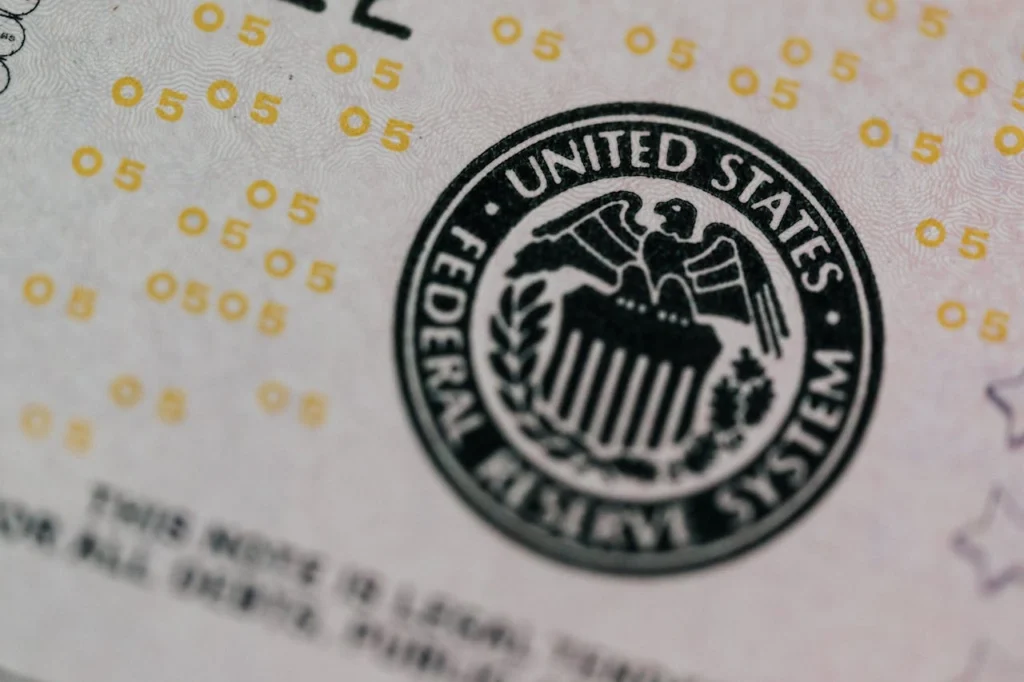
Market participants are now closely watching the upcoming September Personal Consumption Expenditures (PCE) report, the Federal Reserve’s preferred inflation indicator, scheduled for release on Friday. The data is expected to play a critical role in shaping short-term monetary policy and influencing gold and silver markets.
Data from the CME FedWatch Tool shows an 89% probability of a rate cut next week. Lower interest rates typically reduce the opportunity cost of holding non-yielding assets like gold, providing an important tailwind for gold prices.
Many major brokerages now expect the Fed to deliver at least one cut during the December policy meeting, a move that could reinforce demand for safe-haven assets.
As the dollar weakened in anticipation of easier monetary policy, other metals also benefitted. Copper climbed to a record high on Wednesday, supported by supply concerns and shrinking inventories in London Metal Exchange warehouses. This broad-based strength across the metals complex contributes to the environment that continues to stabilize gold prices at elevated levels.
Also read: Gold Prices Decline as Investors Take Profits, Focus Remains on Fed Rate Cuts
The contrasting dynamics between gold and silver create an intriguing near-term outlook. While silver’s meteoric rise may not be sustainable without corrective pullbacks, its strength has helped anchor gold prices despite mixed economic signals.
Traders now turn their attention to upcoming inflation data, further central bank commentary, and evolving supply conditions across global commodity markets.
With expectations of a rate cut growing stronger, many analysts anticipate that gold prices could remain resilient heading into year-end. Meanwhile, silver’s momentum appears likely to continue unless unexpected macroeconomic shifts reverse investor sentiment.
Both metals remain key indicators of broader market uncertainty, and for now, that uncertainty continues to favor the bulls.