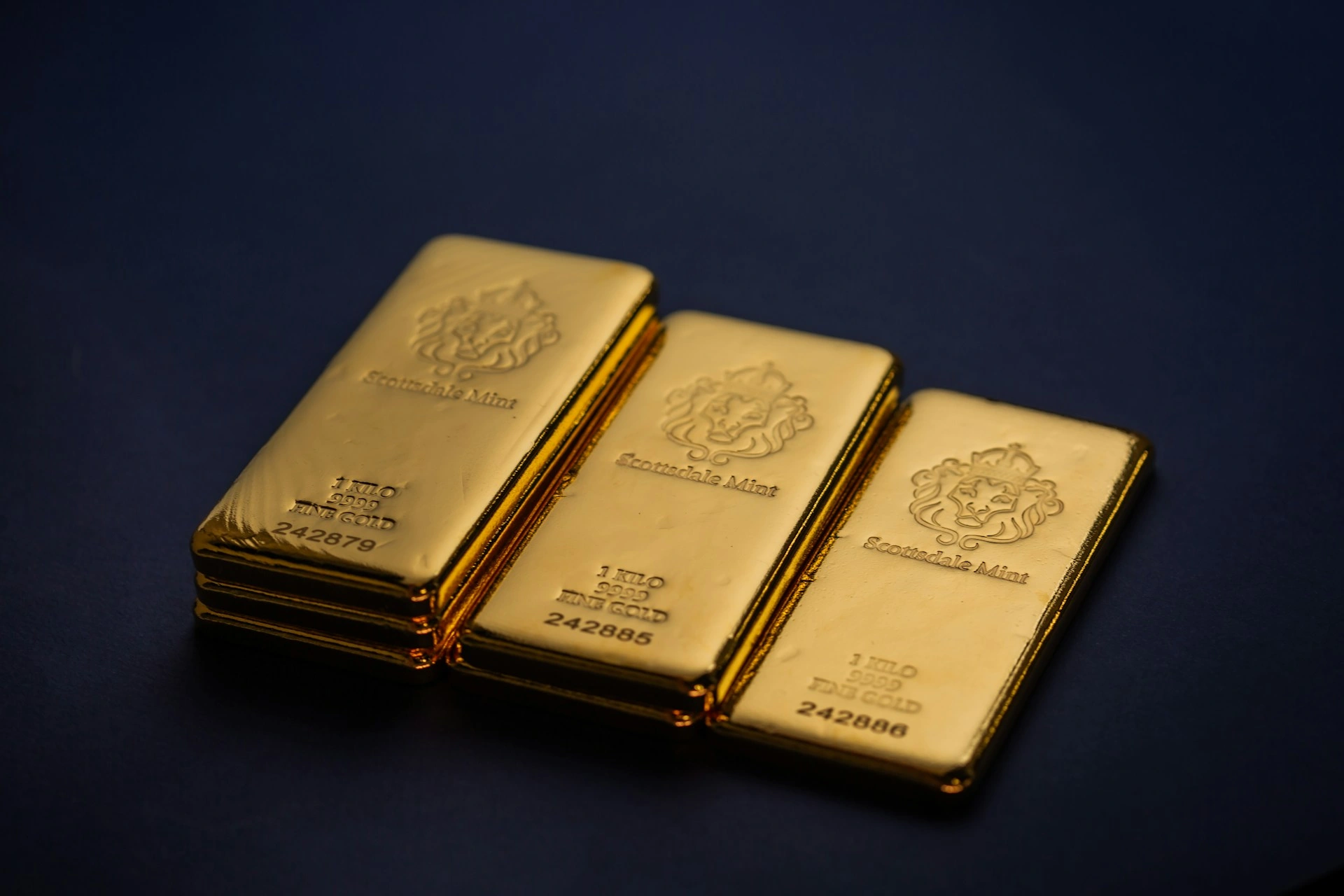
Gold prices stayed remarkably stable during early European trading on Friday, even as investors adopted a cautious stance ahead of the delayed U.S. Core PCE inflation report for September.
The data, regarded as the Federal Reserve’s preferred inflation gauge, comes at a critical moment, just days before policymakers gather for their next decision. The outcome may define the direction for interest rates, bond yields, and the wider movement of gold prices as the final weeks of the year draw near.
Despite pressure from rising Treasury yields, geopolitical headlines, and labor market strength, the metal continues to trade in a familiar range above $4,200. For now, momentum remains insufficient to break through the psychological barrier near $4,250, while the market waits for a fresh catalyst.
Gold Prices Hold Steady Despite Dollar Volatility

The dollar’s struggle to gain traction has provided underlying support for bullion. The U.S. Dollar Index attempted a modest recovery during Thursday’s session, but conviction remained absent, even after jobless claims fell to 191,000.
This is the lowest reading in three years, a figure that would typically bolster the greenback. However, with market expectations for a 25 basis-point rate cut hovering around 90%, the dollar’s rebound remains shallow.
When the dollar weakens, gold prices often benefit, and this pattern has held. Yet, investors continue to treat every rally with caution, reflecting a broader sentiment that the market is waiting for clarity rather than betting on a strong directional shift.
Treasury yields have been an important headwind. Recent instability in Japan’s bond market triggered a jump in yields that limited upside attempts for gold. That pressure eased, however, after strong Japanese bond auctions helped restore confidence and soften yield spikes. The result has been a more balanced trading environment, where neither bulls nor bears dominate.
Geopolitical Risks Still Support Gold, But Direction Remains Unclear

Geopolitics remains a defining factor in sentiment. Rising concerns over the Russia-Ukraine conflict resurfaced after Ukraine launched drone strikes on Russian energy infrastructure.
Washington’s peace proposal now appears to be fading, renewing tensions and adding a layer of risk aversion into markets. Historically, such events have acted as a safety net for gold prices, limiting the scale of pullbacks even when fundamentals turn less supportive.
However, the overall picture remains mixed. The metal trades in a well-defined range, with clear support from geopolitical uncertainty but lacking a firm catalyst for a breakout. Traders are now fixated on the upcoming U.S. inflation release and how it will guide the Federal Reserve.
Also read: Silver and Gold Prices Climb Sharply on Anticipation of Fed Interest Rate Cuts
A softer reading may reinforce bets on rate cuts, weakening the dollar and boosting bullion. A hotter number may do the opposite and lift yields, creating challenges for gold prices in the short term.
Record Performance in 2025 and Outlook for 2026
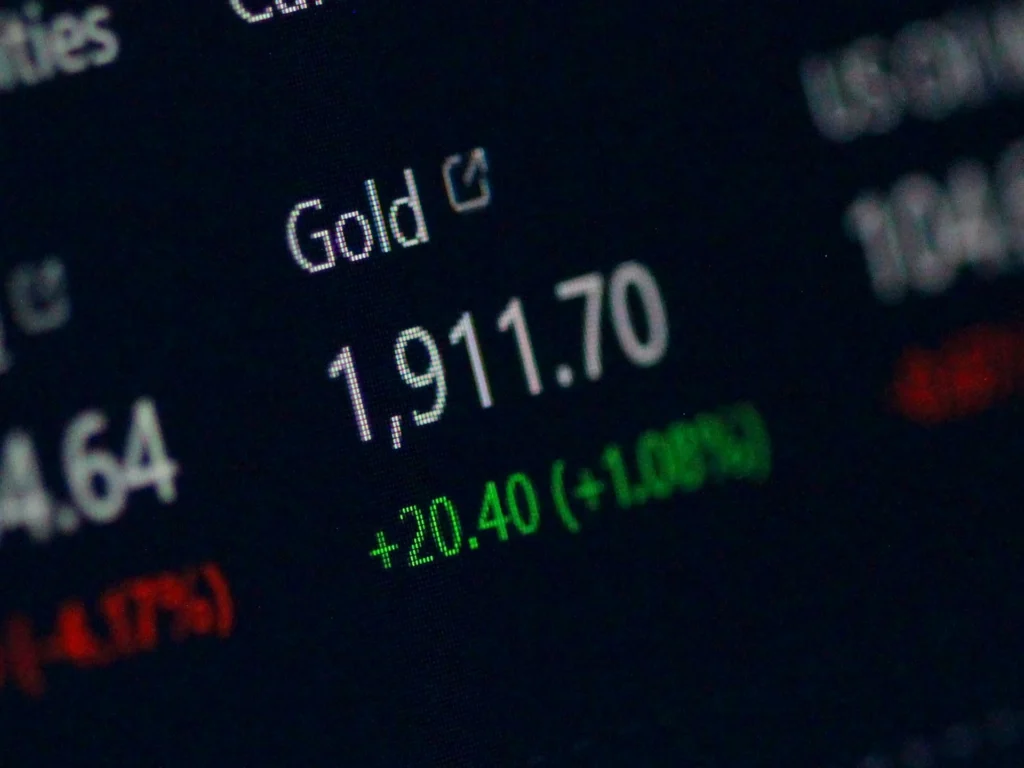
When zooming out, the narrative around gold becomes far more optimistic. The metal has delivered an exceptional performance throughout 2025, notching more than 50 record highs and a 60% annual gain.
Few asset classes have matched this level of strength. Analysts point to three dominant drivers: persistent dollar weakness, elevated geopolitical risks, and strong demand from central banks.
The World Gold Council notes that purchases by monetary authorities have accelerated, with several emerging economies increasing their reserves to hedge against currency volatility and financial instability. As central banks diversify away from the dollar, gold prices gain another layer of support that is structural rather than speculative.
Also read: Gold Prices Hold Steady as Treasury Yields Rise Ahead of Key U.S. Inflation Data
Looking ahead, outlook scenarios vary but remain tilted to the upside. A mild global economic slowdown could send gold up another 5–15% in 2026. More pessimistic projections, sometimes called the “doom loop,” involving recession, higher financial stress, or banking instability, could trigger gains of 15–30%.
Only a scenario of strong reflation and policy-driven growth in the United States might strengthen yields enough to weigh on gold, especially if the Federal Reserve pivots back toward tightening.
For now, traders prefer to wait for confirmation from inflation trends before positioning aggressively. The market’s tone is steady rather than euphoric, reflecting the belief that gold prices may be entering a consolidation phase before its next big move.