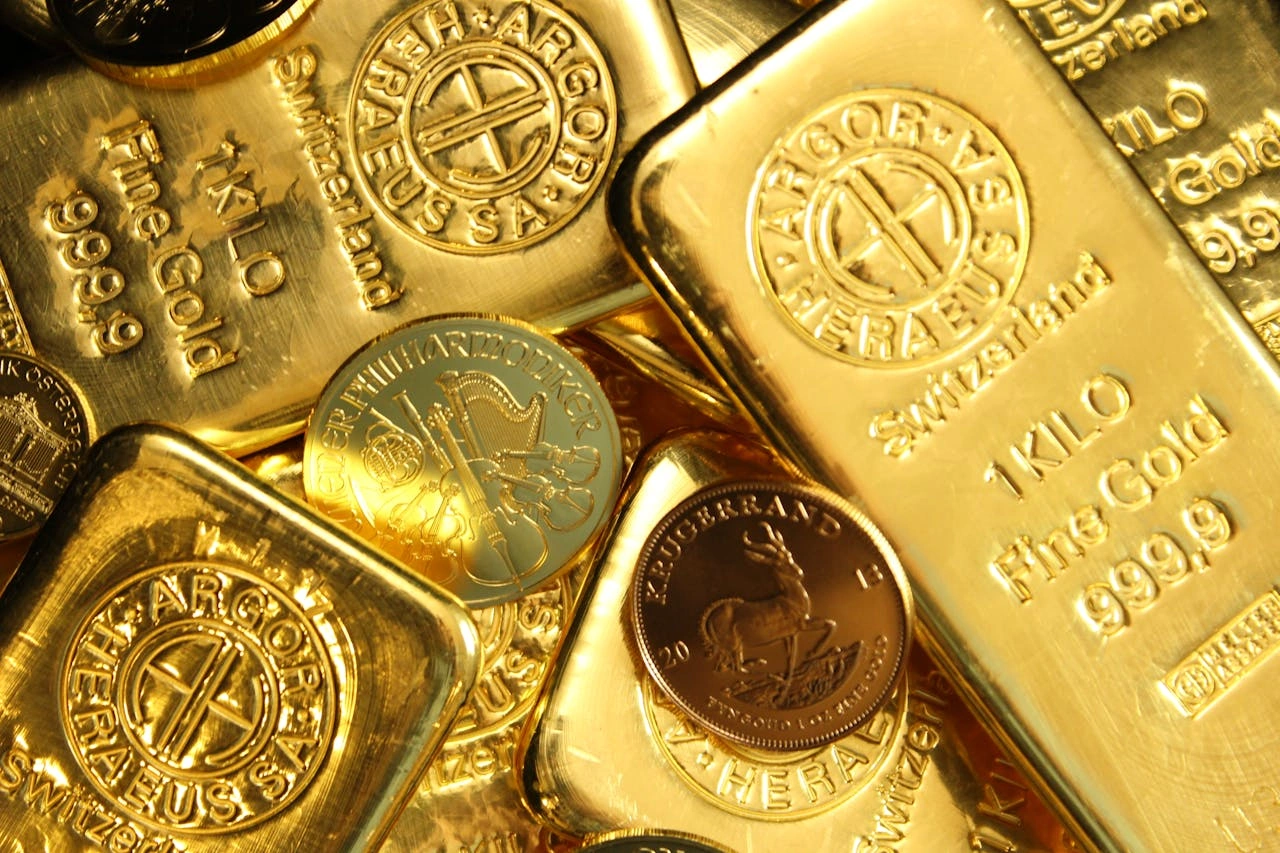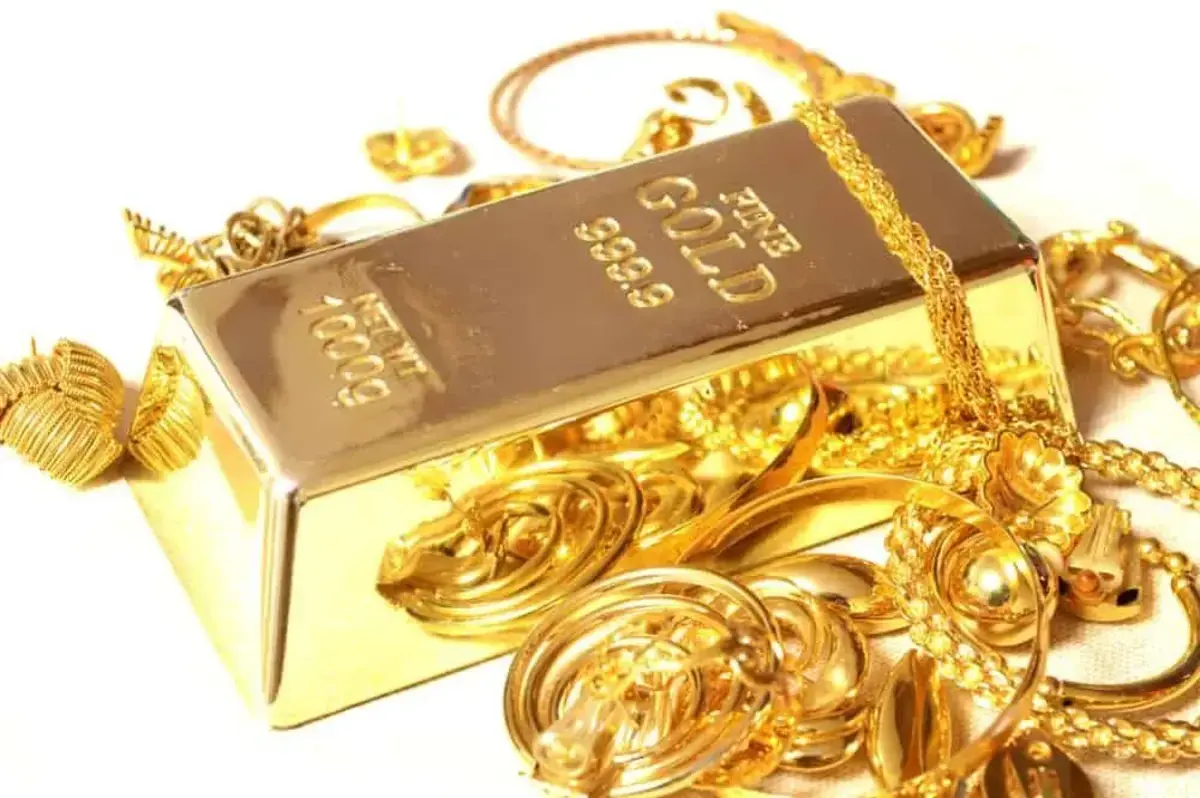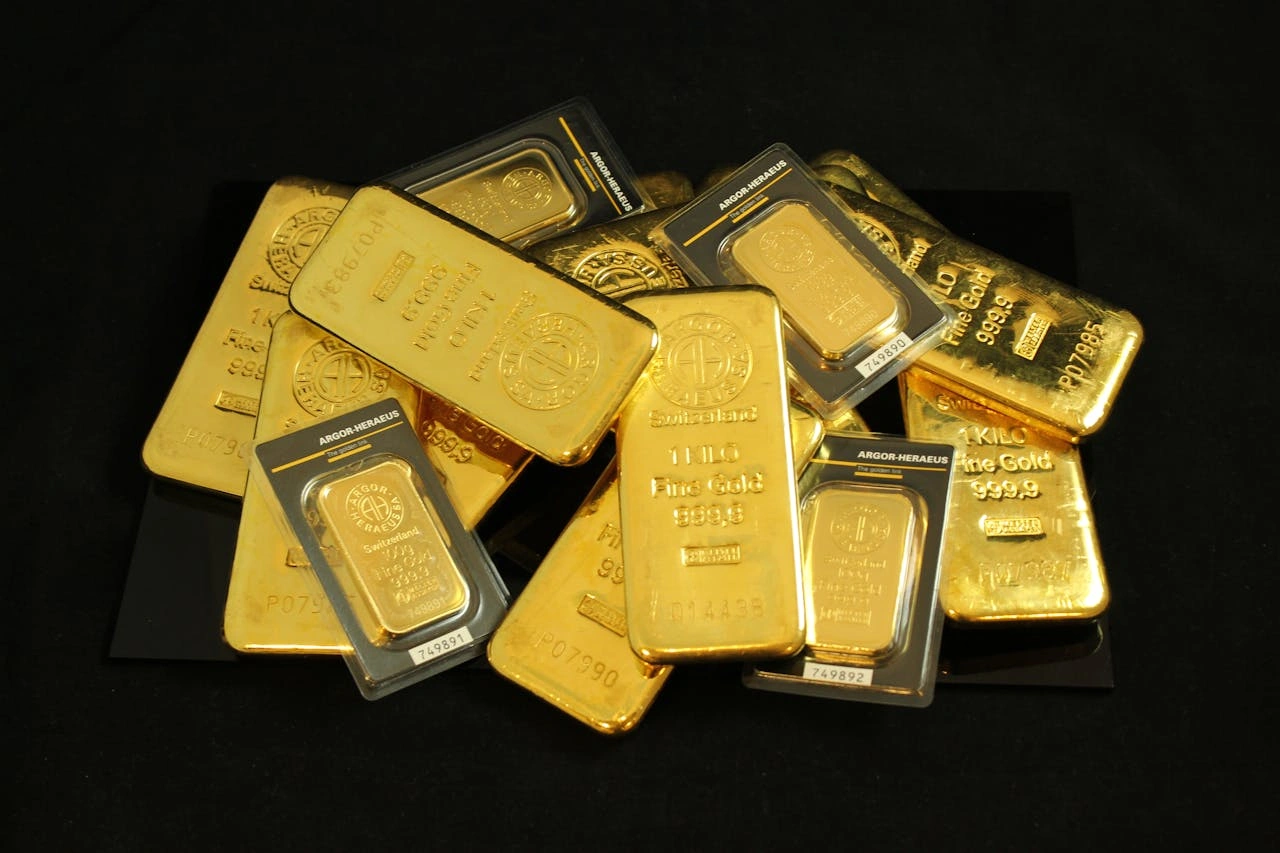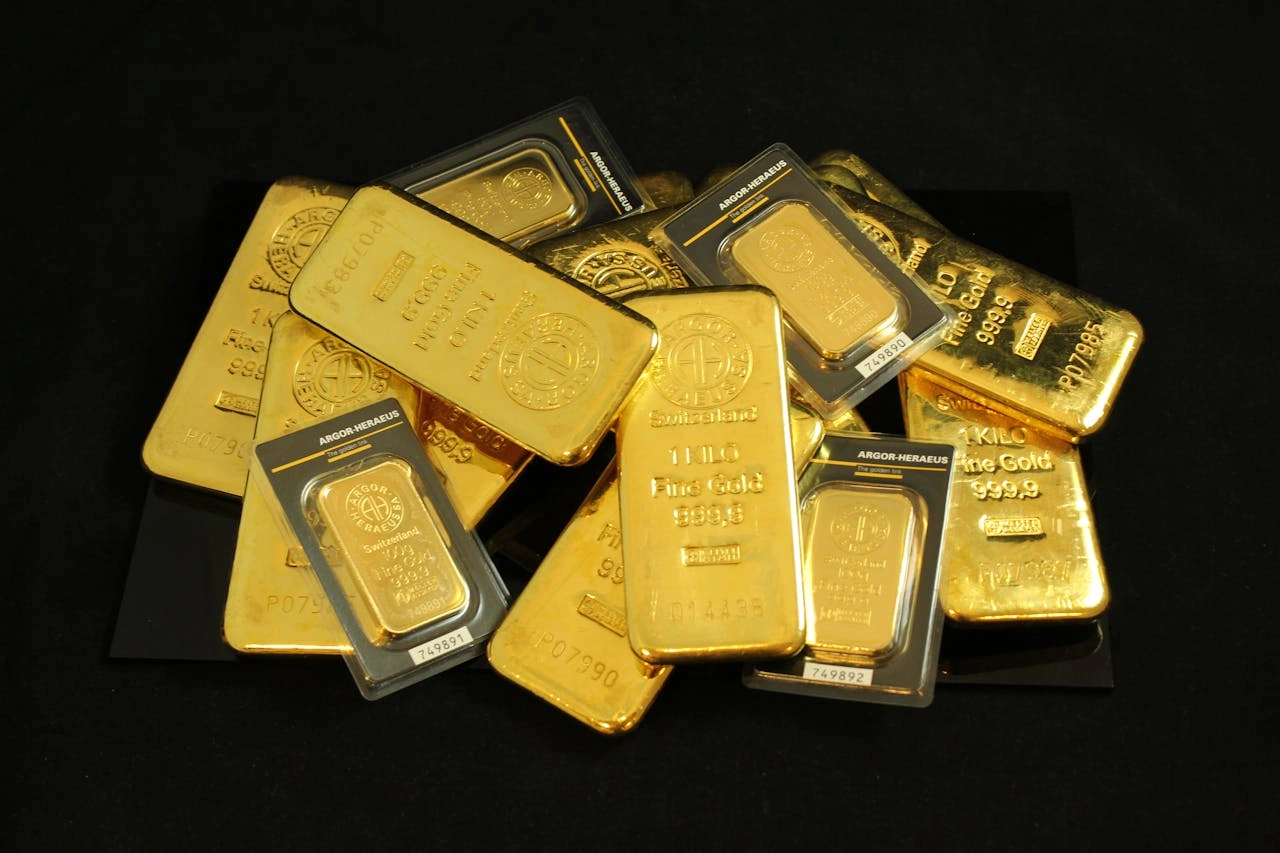
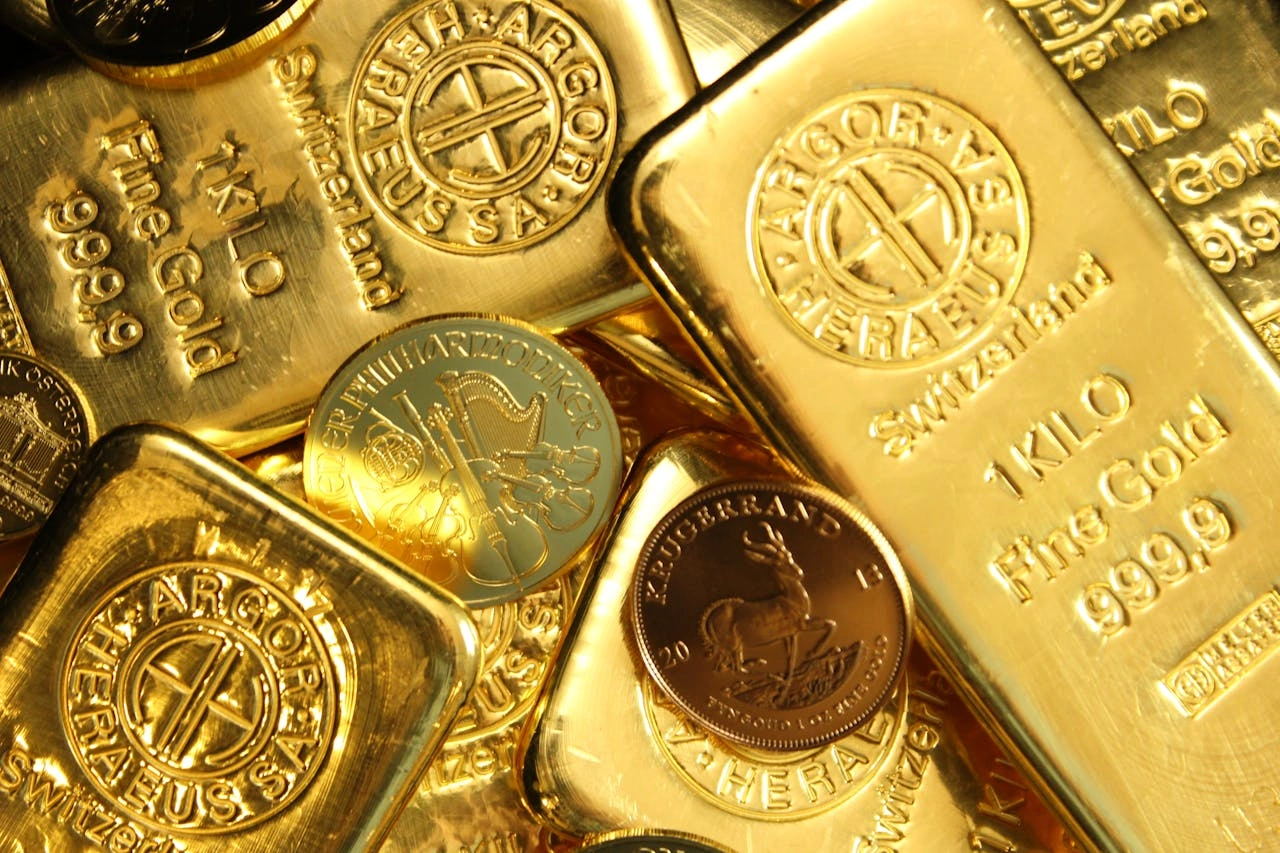
Gold prices declined on Tuesday as investors took profits following a recent rally, while markets remained focused on potential signals of interest rate cuts from the U.S. Federal Reserve. The precious metal’s movement is poised to be highly sensitive to upcoming economic data, as traders brace for fresh inflation and employment reports that could influence monetary policy direction.
U.S. gold futures for February delivery settled 1.3% lower at $4,220.80 per ounce, reflecting cautious sentiment after weeks of upward momentum. Peter Grant, Vice President and Senior Metals Strategist at Zaner Metals, noted that the dip largely represented normal profit-taking activity amid steady rate cut expectations.
Economic Data and Fed Policy in Focus
Market participants are closely monitoring the November ADP employment report scheduled for Wednesday, alongside the delayed September Personal Consumption Expenditures (PCE) Index due on Friday.
The PCE Index remains the Federal Reserve’s preferred inflation gauge, and its readings are critical for shaping expectations around interest rate moves.
Lower interest rates generally boost gold prices, as the non-yielding metal becomes more attractive when the opportunity cost of holding it decreases. Should the data signal a slowing economy and easing inflation, expectations for Fed rate cuts will likely strengthen, supporting further gains in gold prices.
Adding to the bullish outlook, the World Gold Council reported that central banks globally purchased 53 tons of gold in October, a 36% increase month-on-month and the largest monthly net demand since early 2025. This surge underscores the ongoing strategic role of gold as a reserve asset amid global uncertainties.
Silver and Other Precious Metals See Mixed Movements
Silver prices retreated slightly from a record high of $58.83 per ounce hit earlier this week, easing 0.1% to $57.90 per ounce. Despite the minor pullback, silver has more than doubled in value year-to-date.
Commerzbank highlighted that the recent price jump was not driven by new factors but attributed to tight supply and low inventory levels on Shanghai exchanges. The bank anticipates a moderate rise in silver prices to around $59 over the coming year.
In contrast, platinum slipped 2% to $1,624.90 per ounce, while palladium saw gains of 2.3%, closing at $1,456.86 per ounce. These divergent movements among precious metals reflect varying demand dynamics, including industrial use and supply constraints unique to each metal.
Gold Prices Remain a Key Safe-Haven Amid Uncertainty
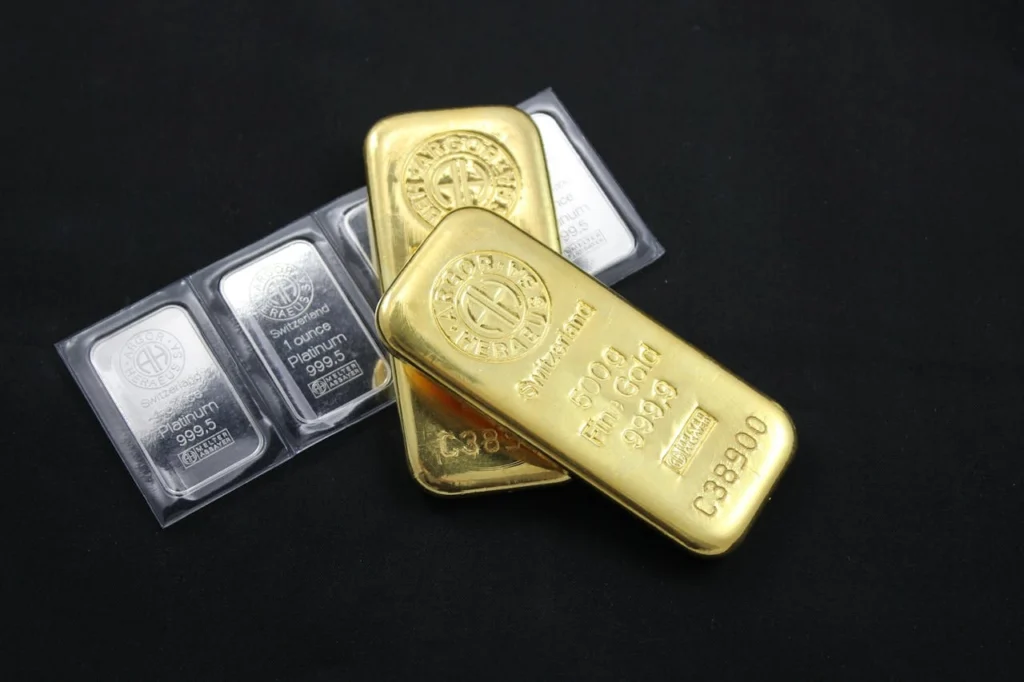
As investors await key inflation and employment data, gold prices are expected to remain volatile but fundamentally supported. The combination of steady central bank buying and evolving monetary policy signals keeps gold firmly positioned as a hedge against economic and geopolitical risks.
Also read: Gold Prices Stay Near Record Highs, Bitcoin Rebounds, and U.S. Markets Strengthen
With the global economic landscape growing more complex, gold prices will continue to be a critical barometer for market sentiment and risk appetite. Traders and investors alike should closely watch upcoming reports and Fed communications for indications that could drive the next significant moves in precious metals markets.