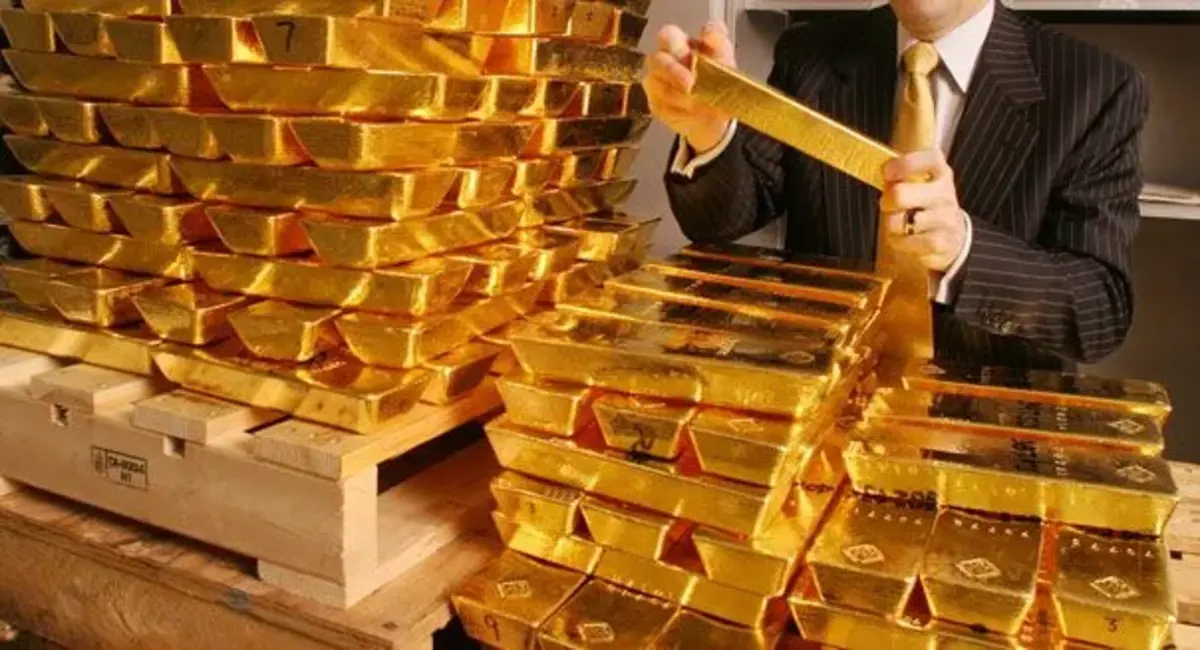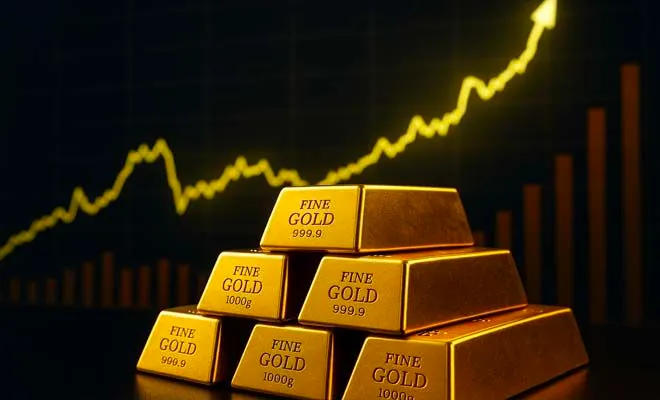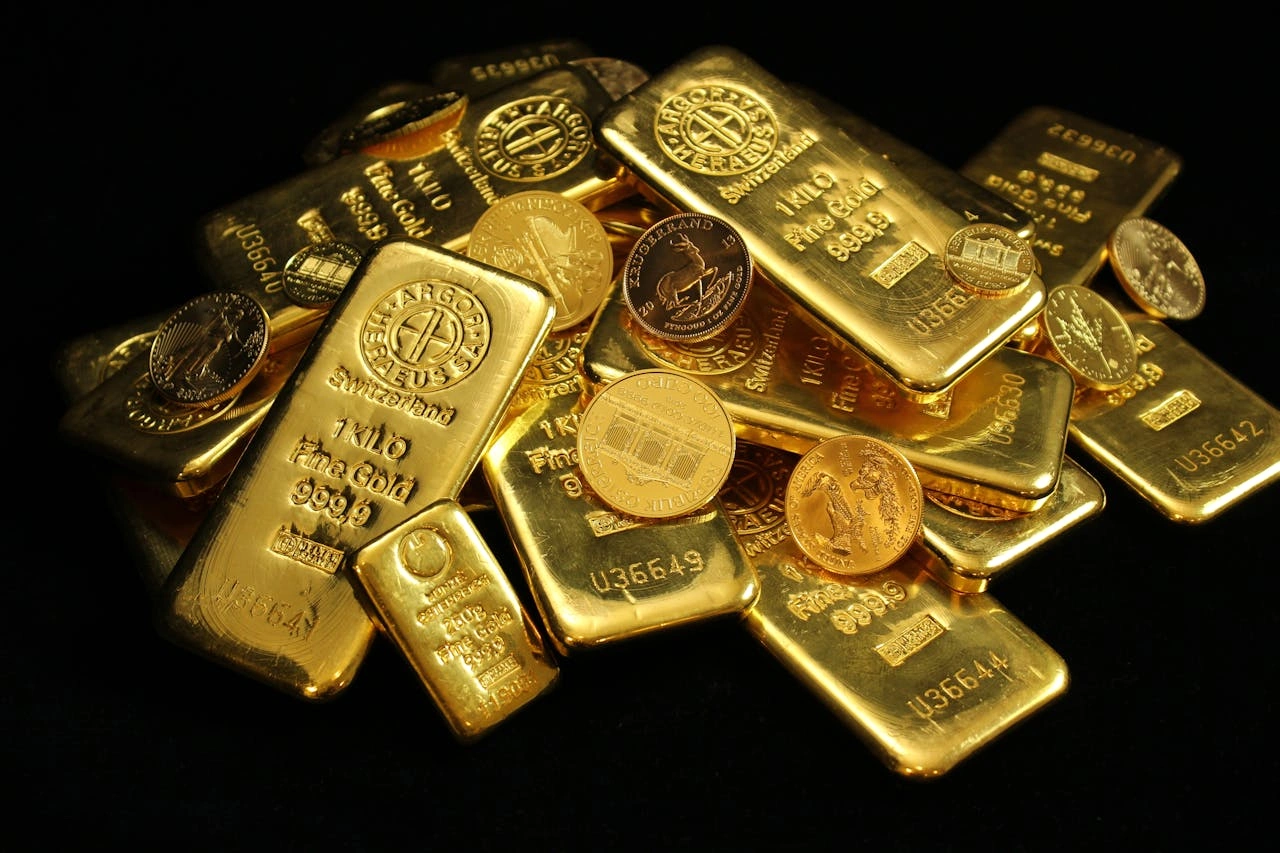
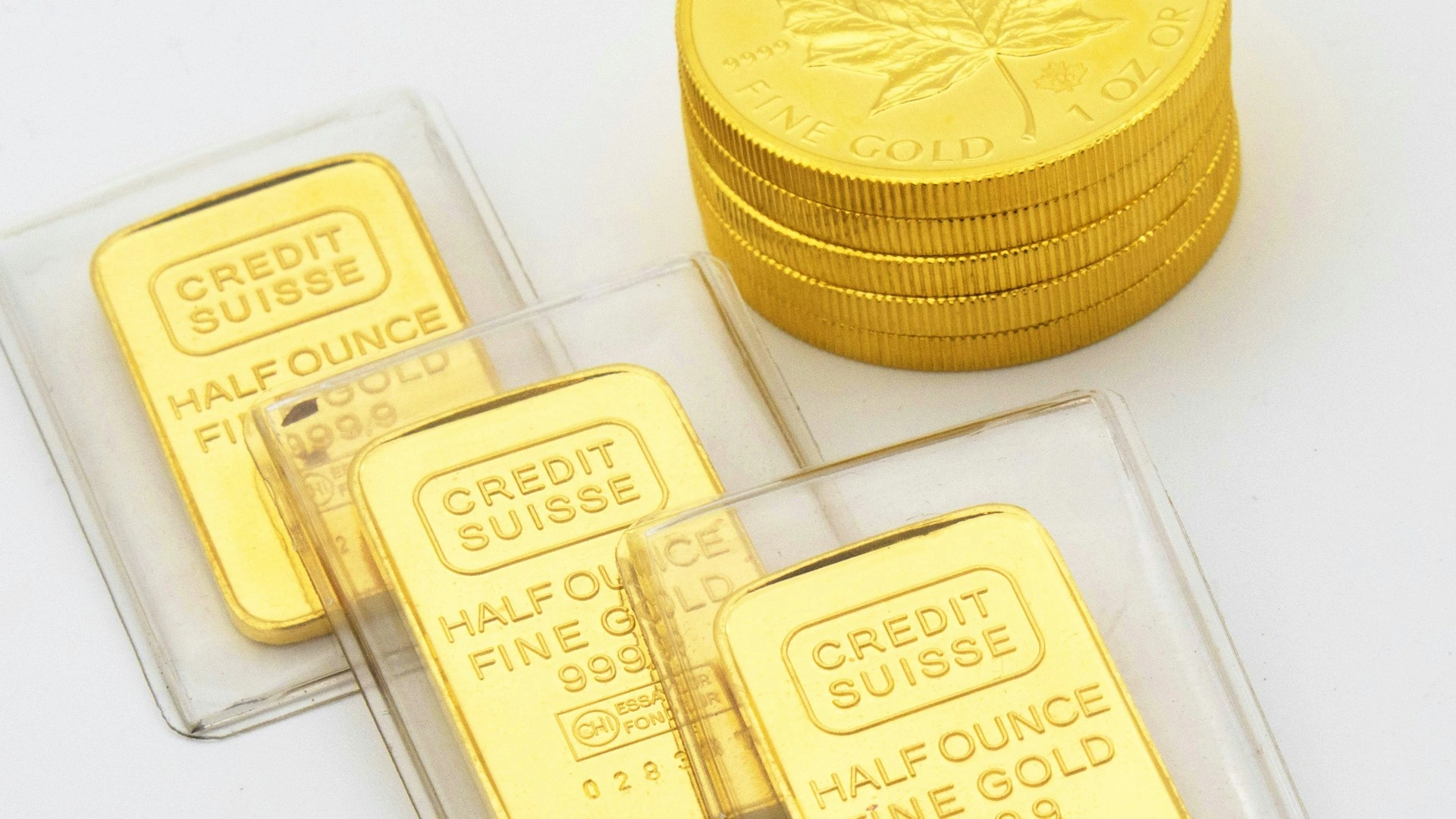
Gold prices remained broadly stable at the start of the week, holding close to historic highs as investors adopted a cautious stance ahead of crucial US labor market data. While some profit taking emerged after recent gains, overall sentiment in the precious metals market continues to reflect confidence in a sustained upward trend.
Gold futures traded around the US$4,300 per ounce level, keeping prices within striking distance of the record peak reached in October. Silver also consolidated near its recent highs above US$64 per ounce, underscoring the broader strength across the precious metals complex.
The recent rally has been driven by a combination of monetary policy expectations, currency movements, and renewed interest in safe haven assets.
Market participants are now positioning themselves for potential volatility, with upcoming economic indicators expected to determine the near-term direction of prices.
Fed Policy and Political Signals Shape Gold prices Outlook
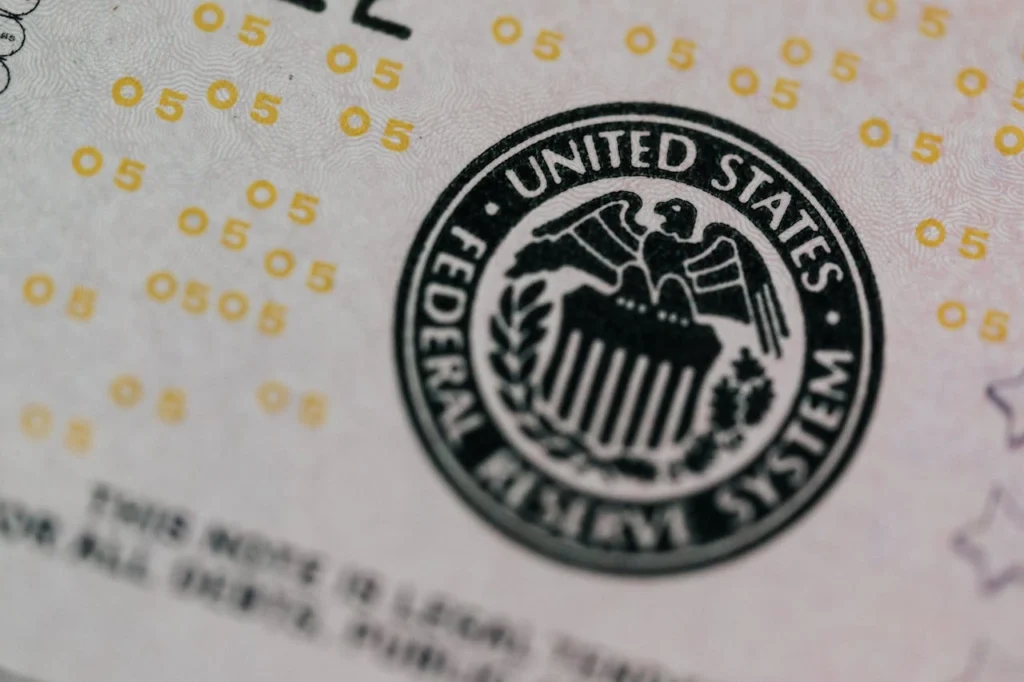
The steady performance of gold prices follows the US Federal Reserve’s third interest rate cut of the year, a move that reinforced expectations of looser monetary conditions extending into 2026.
Lower interest rates typically reduce the opportunity cost of holding non-yielding assets such as gold, providing a supportive backdrop for prices.
Adding another layer of uncertainty, President Donald Trump has signaled his preference for appointing a new Federal Reserve Chair when Jerome Powell’s term concludes in May.
Potential candidates reportedly include National Economic Council Director Kevin Hassett and former Federal Reserve Governor Kevin Warsh. These developments have fueled speculation over future policy direction, contributing to investor demand for hedging instruments.
At the same time, expectations of further rate cuts have weighed on the US dollar index. A weaker dollar tends to make dollar denominated commodities more attractive to global investors, offering additional support to precious metals.
Economic Data in Focus as Gold Prices Await Catalyst
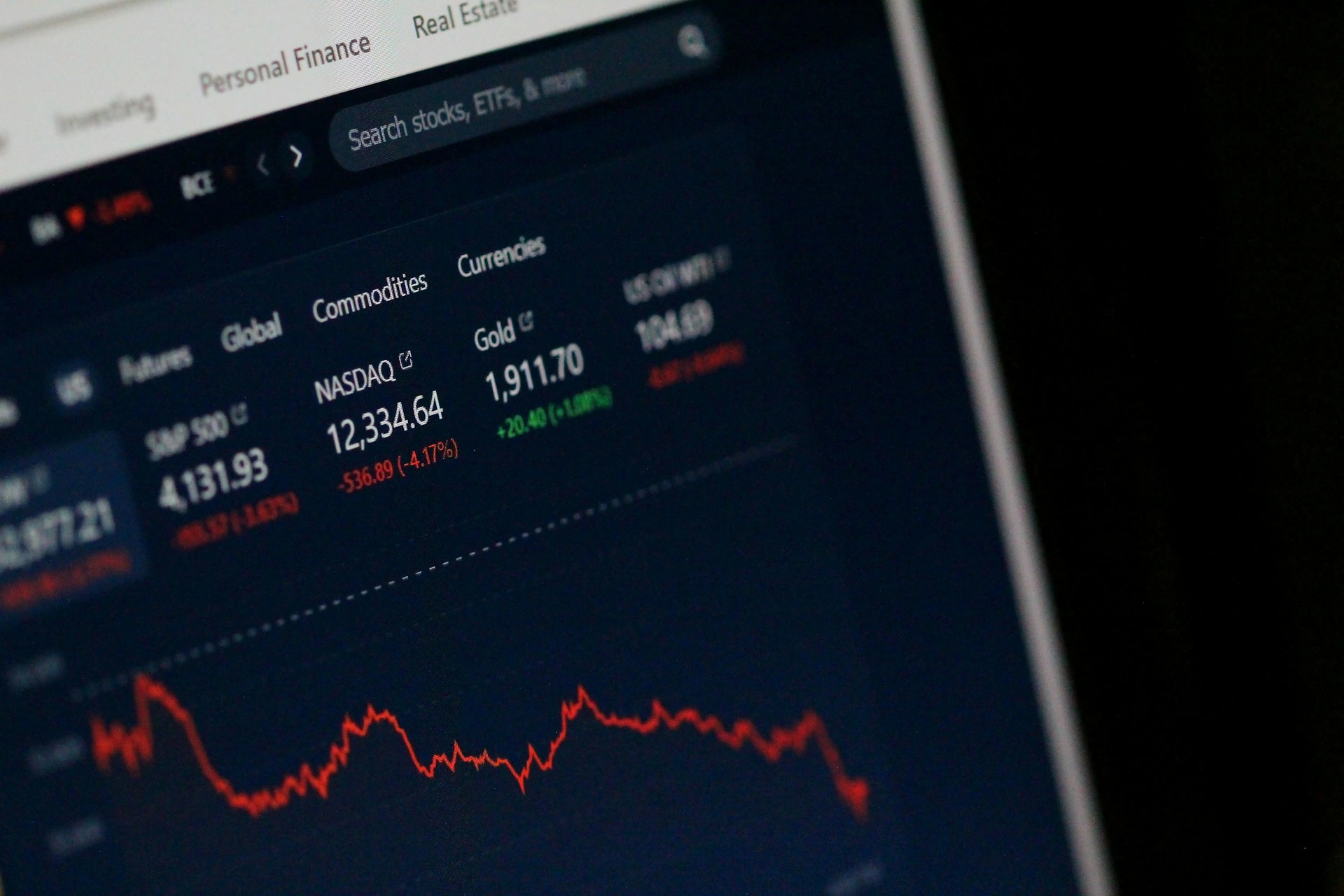
Investors widely view the upcoming US nonfarm payrolls data for October and November as a potential turning point.
The figures, scheduled for release this week, could either validate expectations of a slowing economy or challenge assumptions of aggressive monetary easing.
According to Rania Gule, senior market analyst at XS.com, gold prices could respond decisively depending on the strength of the labor data.
She noted that signs of a meaningful economic slowdown would likely reinforce bets on further rate cuts, opening the door for gold to test higher levels. Conversely, stronger than expected employment numbers could trigger a short term correction.
However, Gule emphasized that any pullback would likely be limited in scope and would not undermine the broader bullish narrative. In her view, gold’s performance this year has elevated it from a speculative trade to a strategic portfolio hedge amid persistent macroeconomic uncertainty.
Also read: Gold Prices Hold Strong as Bank of America, Goldman Sachs Reinforce Bullish View
Institutional Forecasts Reinforce Bullish Gold Prices Narrative
Major financial institutions continue to express confidence in the medium to long term outlook for gold.
Strategists at UBS stated that the metal should remain supported by declining real yields and ongoing US dollar weakness as the Federal Reserve’s easing cycle extends into early 2026. UBS forecasts gold reaching US$4,500 per ounce by June 2026.
Meanwhile, analysts at Goldman Sachs reiterated their structurally bullish stance, citing robust central bank demand as a key pillar of support. The firm maintains an end 2026 price forecast of US$4,900 per ounce, while also highlighting potential upside if investor diversification into gold accelerates.
The analysts noted that current investor positioning in gold remains relatively low, suggesting that additional inflows could significantly amplify gains.
Also read: Gold Prices Extend Rally on Fed Easing Despite Volatility Warning
Why Gold Prices Remain Firmly Supported
As markets brace for fresh economic signals, gold prices continue to reflect a strong underlying trend driven by accommodative monetary policy, political uncertainty, and diversification demand.
While short term fluctuations remain likely, the broader consensus among analysts suggests that gold’s role as a strategic hedge will remain firmly intact in the months ahead.
With multiple tailwinds still in play, the precious metal appears well positioned to retain investor interest as global financial conditions evolve.
How do you feel?