

Gold prices and silver prices eased in mid December 2025 after both metals surged to record highs earlier in the month, prompting investors to lock in profits.
Spot gold slipped toward $2,410 per ounce, down from last week’s peak near $2,455, while silver retreated to around $62 per ounce after briefly touching $64.6, according to market data on December 14.
The pullback followed a rapid rally driven by expectations of looser monetary policy, tightening physical supply, and strong investor demand for safe haven assets. Analysts say the current move reflects consolidation rather than a clear reversal, with key support levels now under close watch.
Gold Prices Pull Back from Record Highs
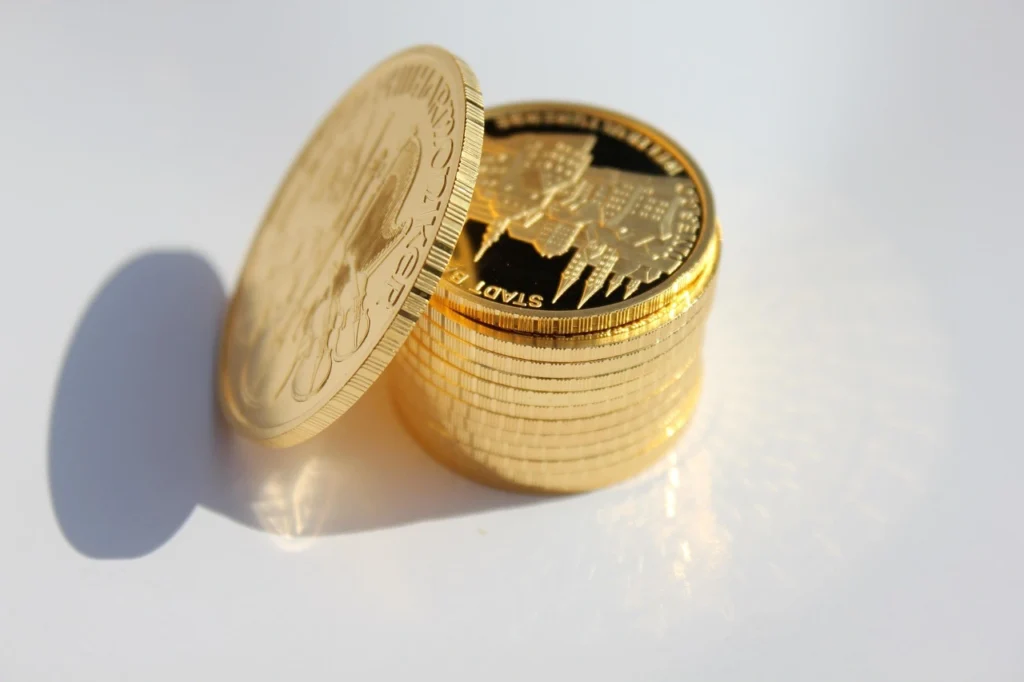
Gold prices softened after rising more than 7% since early November, a move that pushed the metal to a series of all-time highs. The rally accelerated after the US Federal Reserve delivered a 25 basis point rate cut earlier in December, bringing the benchmark rate to a 3.50%–3.75% range.
Lower interest rates reduced real yields on US Treasuries, with the 10 year real yield falling below 1.7%, increasing gold’s appeal relative to interest-bearing assets. However, as prices approached the $2,450–$2,460 resistance zone, profit-taking intensified.
Technical indicators suggest gold prices entered overbought territory, with the Relative Strength Index (RSI) above 70 on daily charts last week. Analysts now see initial support around $2,380, followed by a stronger floor near $2,350, levels that previously capped the market before the latest breakout.
Silver Prices Cool After Surge Above $60
One of 2025’s biggest structural headlines has also reshaped sentiment across the precious metals market. The U.S. Geological Survey included silver in its final 2025 critical minerals list, adding the metal alongside nine other new materials deemed vital to US economic and national security interests.
Silver prices recorded a sharper correction than gold, underscoring the metal’s higher volatility. Spot silver fell from an intraday high of $64.64 per ounce on December 12 to the $61–$62 range, after gaining more than 15% in less than two weeks.
The rally was fueled by signs of a global supply deficit, robust industrial demand, and speculative inflows. According to industry data, silver supply has been in deficit for the fourth consecutive year, with solar manufacturing and electrification remaining major demand drivers.
Analysts note that silver prices are now testing support near $60, a key psychological and technical level. A sustained break below that zone could open the door to a deeper correction toward the high, $50s, while a rebound above $65 would refocus attention on upside targets near $68–$70.
Macro Data and Dollar Moves Drive Gold Prices and Silver Prices
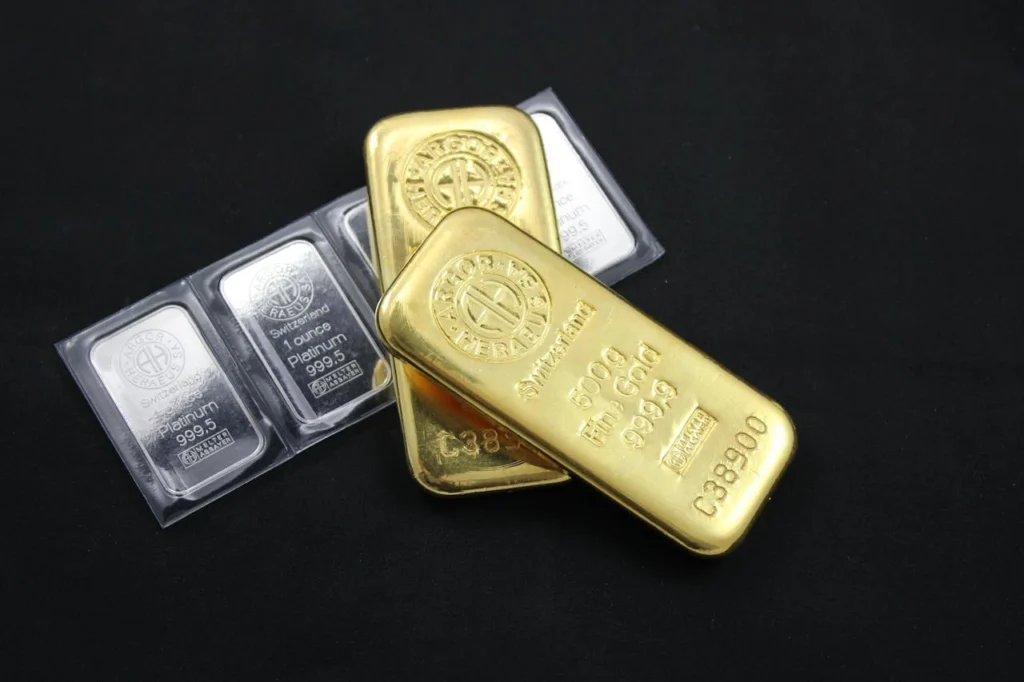
Movements in gold prices and silver prices remain closely linked to macroeconomic developments. The US dollar index rebounded toward 103.5 last week, adding pressure to dollar denominated commodities. At the same time, markets are positioning ahead of key US economic releases, including the December 16 non-farm payrolls report.
Stronger than expected labor data could reinforce expectations that further rate cuts in 2026 will be gradual, potentially limiting upside in precious metals. Conversely, softer data may revive bets on faster easing, offering renewed support for gold and silver.
Central bank demand also remains a structural tailwind. Official sector gold purchases are on track to exceed 1,000 tonnes in 2025, marking a third consecutive year of heavy buying, according to industry estimates.
Also read: Gold Price Today: Equinox Gold’s $1 Billion Sale Strategic Shift Amidst High Gold Prices
Volatility Likely to Persist Into Year End
Looking ahead, analysts expect continued volatility as markets balance strong fundamentals against stretched positioning. For gold prices, holding above the $2,350–$2,380 support zone is seen as critical to maintaining the broader uptrend.
Silver prices are likely to remain more volatile, given their sensitivity to industrial demand and speculative flows. Year end liquidity conditions could amplify price swings in both directions.
Overall, while short term corrections cannot be ruled out, both metals remain underpinned by expectations of easing monetary policy, persistent geopolitical risk, and structurally tight supply conditions, suggesting that the recent pullback may be a pause rather than the end of the rally.
How do you feel?