

Global crypto markets are entering a critical week as expectations build that the Bank of Japan (BOJ) will raise interest rates at its December 18–19 policy meeting. While the anticipated move may appear modest on paper, investors increasingly view it as a potential catalyst for heightened volatility across risk assets, particularly Bitcoin prices.
Prediction markets are pricing in an almost certain 25 basis point hike, a decision that would lift Japan’s policy rate to 0.75%, the highest level in nearly two decades.
In thin year end trading conditions, even incremental shifts in monetary policy can have outsized effects, prompting traders to adopt a cautious stance ahead of the decision.
Bitcoin Prices Under Pressure as Cheap Yen Funding Fades
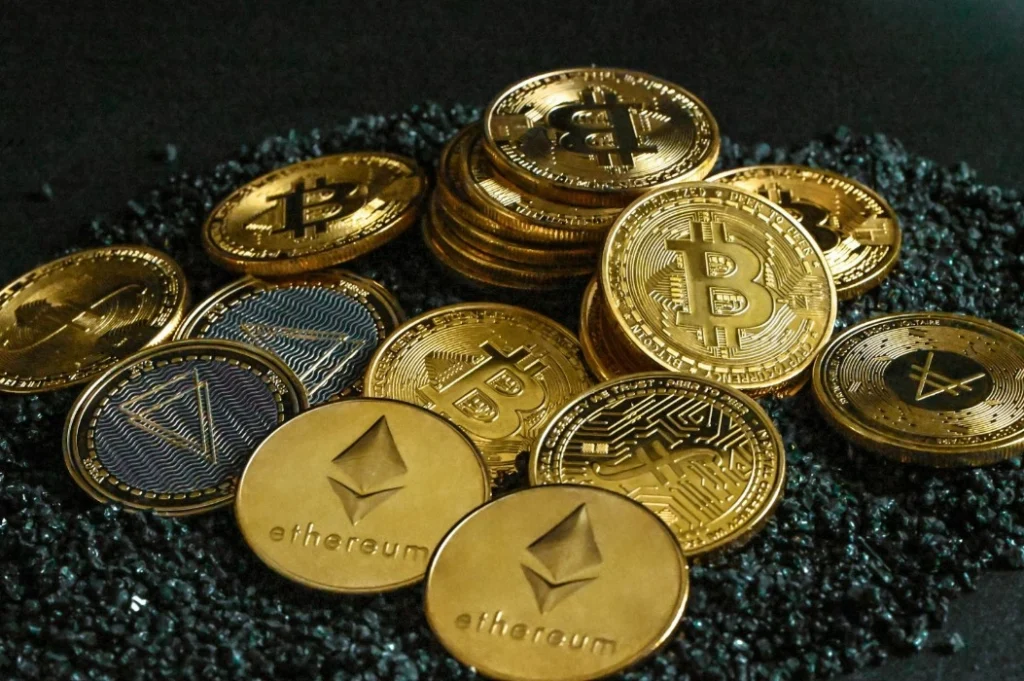
For decades, Japan’s ultra loose monetary policy has served as a cornerstone of global liquidity. Near zero interest rates enabled investors to borrow yen cheaply and deploy that capital into higher yielding assets worldwide, a strategy widely known as the yen carry trade.
That dynamic is now under threat. Rising Japanese bond yields increase funding costs and reduce the appeal of leveraged positions financed in yen. As investors unwind those trades, risk assets often bear the brunt of the adjustment.
This backdrop has placed Bitcoin prices firmly in focus. The world’s largest cryptocurrency has already slipped below the $90,000 psychological level, reflecting growing unease about liquidity conditions.
For many market participants, the concern is less about a single rate hike and more about what it signals, a structural shift away from one of the most reliable sources of cheap global leverage.
Historical BOJ Moves Weigh on Bitcoin Prices

Market anxiety is reinforced by Bitcoin’s historical performance following past BOJ policy changes. Each recent rate hike has been followed by a sharp correction in crypto markets.
After the BOJ’s policy shift in March 2024, Bitcoin fell by roughly 23%. A similar move in July 2024 triggered a decline of around 25%. Most notably, a January 2025 hike was followed by a drop of more than 30% in the weeks that followed.
These episodes have shaped current expectations. Several analysts warn that if the pattern repeats, Bitcoin prices could decline by 20–30% from current levels, potentially testing the $70,000 area. The risk is amplified by low liquidity and reduced trading volumes typical of the year-end period, when markets are more vulnerable to abrupt swings.
In this environment, traders are increasingly focused on downside protection, wary that even a widely anticipated policy decision could spark aggressive selling if it accelerates the unwinding of leveraged positions.
Also read: Bitcoin Price Today Stable While $1.8B HyperFund Scandal Highlights Costly Risks of Crypto Fraud
Liquidity Shock or Policy Transition? A Divided Market
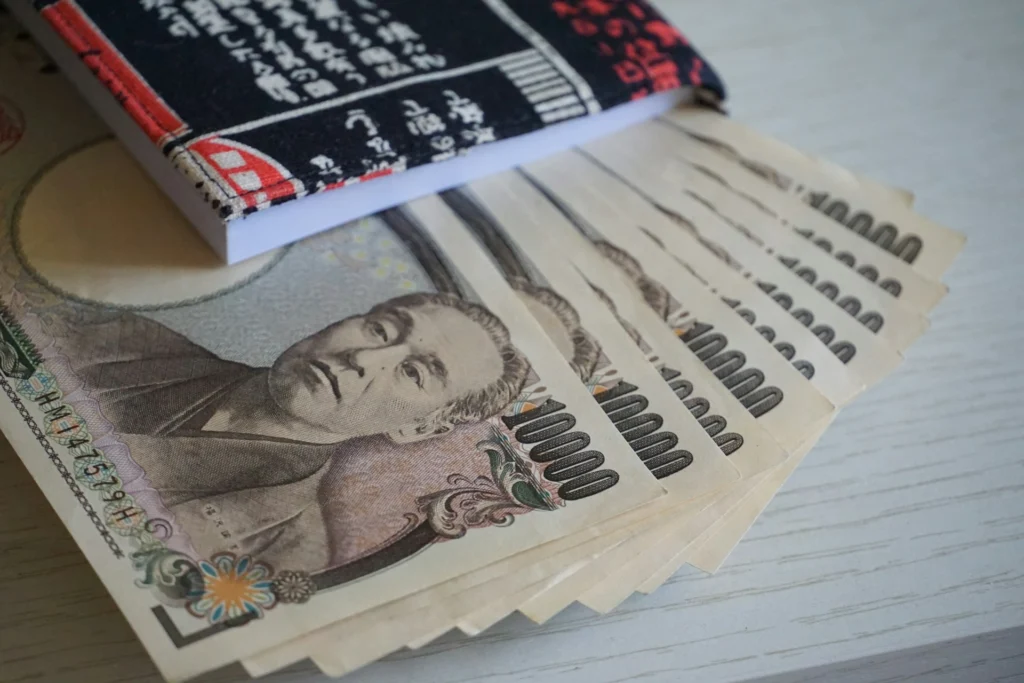
Despite the prevailing caution, not all analysts see the BOJ’s move as unequivocally bearish. A competing macro narrative argues that Japan’s tightening could coincide with a broader easing cycle elsewhere, particularly in the United States.
Under this view, potential Federal Reserve rate cuts would inject dollar liquidity and weaken the U.S. dollar, partially offsetting the impact of higher Japanese rates. In such a scenario, near term weakness in Bitcoin prices would be interpreted as a temporary adjustment rather than the start of a prolonged downturn.
Proponents of this thesis describe the current environment as a policy transition rather than a pure liquidity shock. They argue that once markets absorb the initial volatility, capital could rotate back into assets offering asymmetric upside, with cryptocurrencies among the primary beneficiaries.
However, short term risks remain elevated. Global bond yields continue to trend higher, and major equity indices are showing signs of fatigue. These factors limit the margin for error in speculative markets and raise the probability of further volatility should liquidity conditions tighten abruptly.
Markets Await the Next Signal for Bitcoin Prices
Heading into the BOJ meeting, Bitcoin has traded in a narrow, choppy range, underscoring the market’s uncertainty. Analysts describe the current price action as fragile, with sentiment finely balanced between macro driven caution and longer-term optimism.
Ultimately, the decisive factor may not be the rate hike itself, but how financial markets respond in its aftermath. Movements in Japanese bond yields, the yen, and global liquidity flows will play a central role in determining whether pressure on Bitcoin prices proves fleeting or evolves into a deeper correction.
As the year draws to a close, the Bank of Japan’s decision is shaping up to be one of the most consequential macro events for the crypto market, with the potential to define trading conditions well into the new year.
How do you feel?