Bitcoin prices have recently surged to approach the $94,000 mark, sparking excitement among investors eager for a strong finish to the year. However, this momentum faces a significant challenge as the Federal Reserve’s upcoming policy decision casts a shadow of uncertainty over the market.
Mixed signals from the Fed regarding interest rate cuts and future monetary moves have left traders cautious, causing Bitcoin prices to encounter resistance and struggle to break through key levels.
As the crypto community waits anxiously for clearer guidance, the interplay between monetary policy and investor sentiment will be crucial in determining Bitcoin’s next move.
Federal Reserve Rate Cut Expectations Add Volatility to Bitcoin Prices
Investors are largely expecting the Federal Reserve to announce a 25 basis point interest rate cut after its two-day policy meeting on Wednesday.
Yet, there is increasing speculation that Fed Chair Jerome Powell will signal a pause in rate cuts in early 2026. This delicate balance aims to keep inflation under control while responding to a softer labor market.
This uncertainty has led analysts to warn that prices may not experience the usual boost associated with rate cuts. Nic Puckrin, co-founder and investment analyst at Coin Bureau, commented that a hawkish tone from Powell could undermine Bitcoin’s potential rally during the holiday season.
“Bitcoin prices have struggled to build momentum despite fresh buying from major investors like Michael Saylor’s Strategy (MSTR),” Puckrin said. “We may end the year with Bitcoin prices below the $100,000 threshold.”
Investor Caution Keeps the Prices Range-Bound
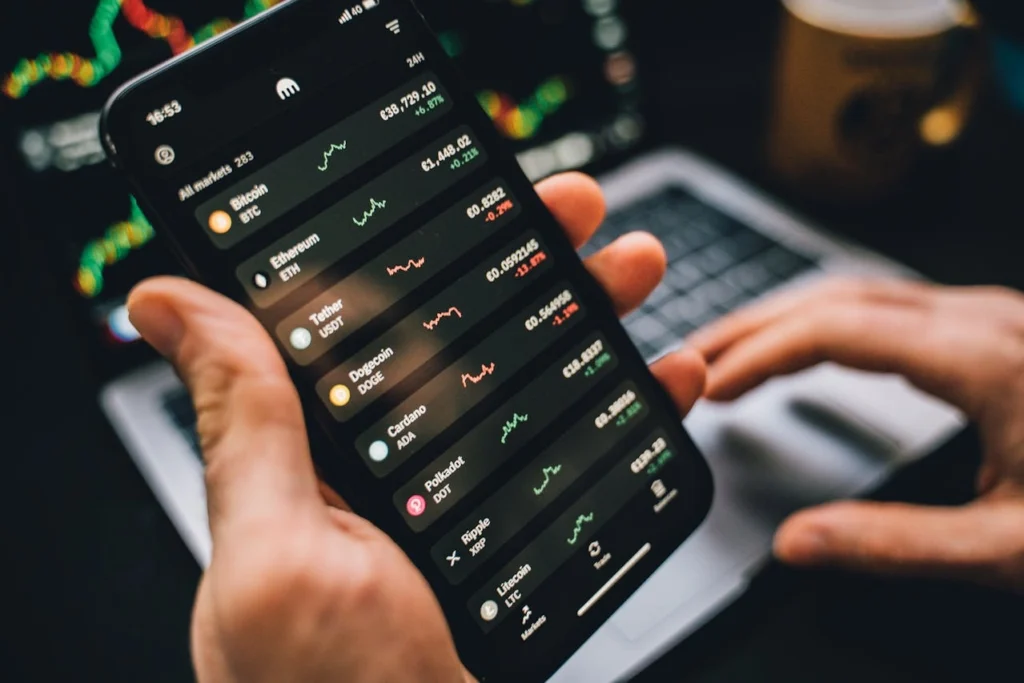
Bitcoin prices have remained volatile in recent weeks, trading within a range of roughly $81,000 to $94,000. After reaching a high near $126,000 in October, the cryptocurrency has faced resistance on the way back up.
Edward Engel, analyst at Compass Point, highlighted that recent buyers entered the market at an average cost basis around $103,000. This price point acts as a psychological barrier for investors.
“When Bitcoin prices remain below the average purchase price, many investors prefer to ‘sell the rip’ rather than ‘buy the dip,’” Engel explained. “This selling pressure limits the upside potential for Bitcoin prices in the near term.”
This dynamic has contributed to Bitcoin’s weak performance this year, with the asset down about 2%, its worst showing since the crypto winter of 2022 that saw the price plunge over 64%.
In contrast, traditional equity markets have thrived, with the S&P 500 gaining roughly 16% year-to-date. This divergence underscores the challenges Bitcoin faces in regaining investor confidence.
Also read: Amid Uncertain Bitcoin Prices, Strategy Makes Biggest BTC Buy in Months
Lowered Price Targets Reflect Market Realities, But Future Optimism Remains
Wall Street firms are adjusting their Bitcoin price forecasts downward amid the uncertain economic environment. Standard Chartered recently slashed its year-end Bitcoin price target from $200,000 to $100,000.
Geoff Kendrick, Standard Chartered’s head of digital assets, also reduced his 2026 forecast from $300,000 to $150,000, reflecting caution in the face of regulatory scrutiny and macroeconomic risks.
Still, some experts remain optimistic about Bitcoin prices rebounding next year. Nic Puckrin suggested that a potential leadership change at the Federal Reserve could ignite a new crypto rally. With President Trump reportedly considering Kevin Hassett, known for his dovish stance, as Powell’s successor, markets might shift dramatically.
“If Kevin Hassett takes over the Fed, Bitcoin prices could move swiftly from stagnation to strong growth in 2026,” Puckrin noted.
Also read: Why Didn’t Bitcoin Prices Rise After MicroStrategy’s Record $1B BTC Buy?
Bitcoin Prices at a Crossroads
Bitcoin prices face a challenging end to 2025, influenced by Fed policy signals and cautious investor behavior. While near-term volatility and resistance levels may temper gains, longer-term catalysts like changes in Fed leadership and evolving market conditions could spark renewed investor enthusiasm.
As Bitcoin continues to navigate an evolving macroeconomic landscape, its price trajectory will be closely tied to monetary policy developments and broader market sentiment. Investors should remain vigilant but also prepared for potential opportunities in the coming year.
How do you feel?