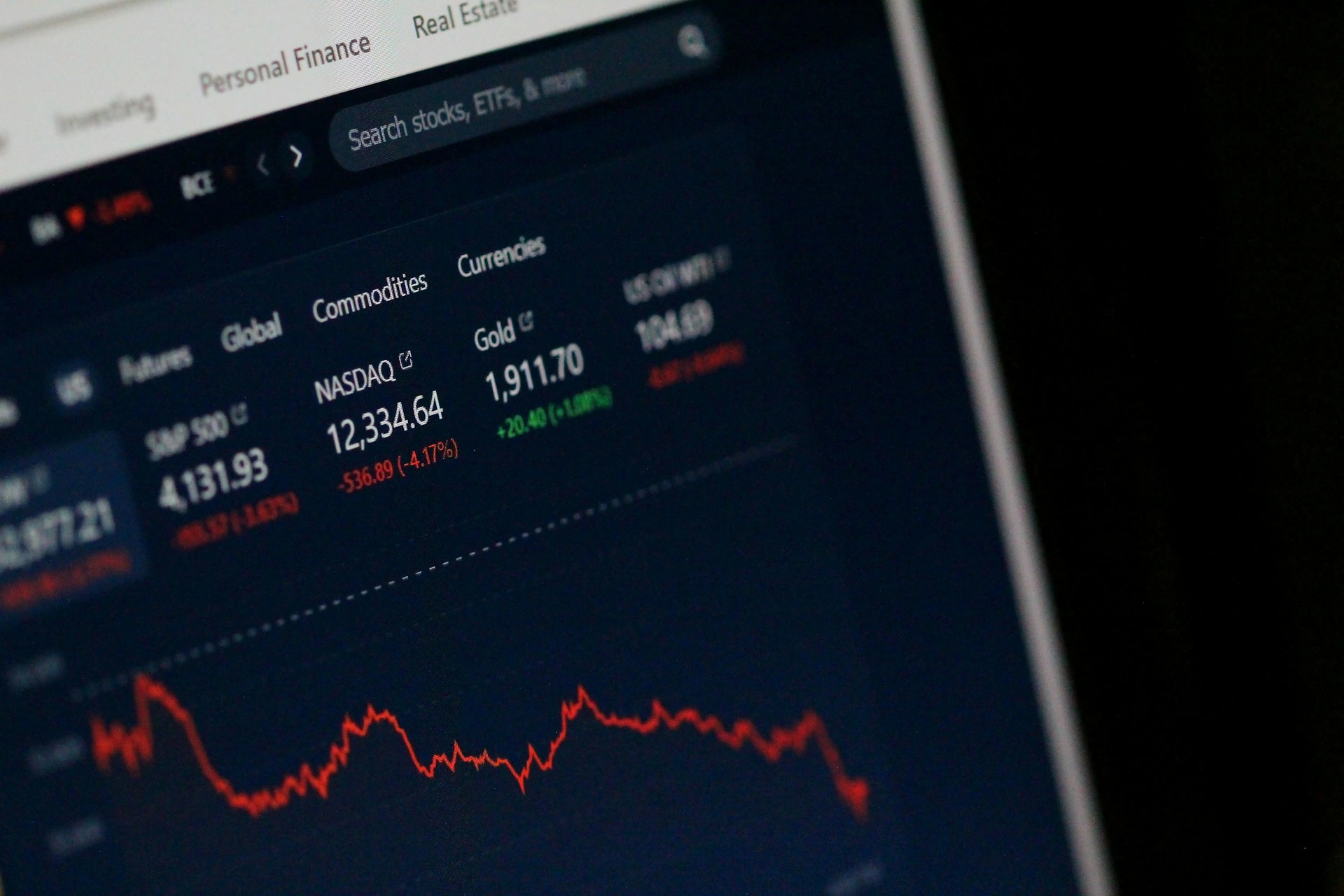
Gold prices staged a powerful late year advance in December 2025, reflecting a complex mix of monetary easing, investor uncertainty, and growing concern that financial markets may be overheating.
After the US Federal Reserve delivered a long anticipated interest rate cut, bullion prices climbed toward recent highs, even as a stark warning from the Bank for International Settlements (BIS) injected a note of caution into the outlook for precious metals and broader risk assets.
At mid-month, market participants are weighing whether gold’s momentum can extend into year-end or whether elevated positioning and valuation risks could trigger sharper swings before December closes.
Gold prices Surge on Fed Decision and Weaker Dollar
The main catalyst behind gold’s December strength was the Federal Reserve’s decision to lower its benchmark interest rate by 25 basis points, bringing the target range to 3.50%–3.75%. While the move itself was widely expected, the details mattered.
The vote was split, with some policymakers pushing for a larger cut and others favoring no change, underscoring ongoing uncertainty about the path of inflation and economic growth.
Following the announcement, the US dollar weakened and Treasury yields eased, a combination that traditionally supports bullion. Gold rose steadily through the second week of December, trading comfortably above the USD 4,200 level and testing zones last seen in October.
Futures prices in the US market also followed spot higher, signaling broad based participation across investor segments.
From a market psychology perspective, the Fed’s cautious tone reinforced the idea that monetary policy remains data dependent rather than on a preset easing path.
That ambiguity has helped sustain safe haven demand, as traders remain sensitive to incoming economic indicators that could quickly shift expectations around real yields and currency strength.
BIS “Bubble” Warning Adds Uncertainty to Gold prices Outlook
Just as bullish sentiment was building, the BIS published research highlighting what it described as “explosive” price behavior in both US equities and gold.
According to the analysis, statistical indicators often used to identify bubble like dynamics suggest that the two markets have simultaneously entered such territory, an event the BIS says is extremely rare in historical terms.
Crucially, the BIS cautioned that detecting bubble characteristics does not imply an imminent correction. Past episodes show that prices can remain elevated for extended periods before reversing, and the timing of any adjustment is highly unpredictable.
Still, the warning raised uncomfortable questions for investors who typically rely on gold as a hedge against equity market stress.
A particular focus of the BIS analysis was the role of retail investors. Strong inflows into gold exchange-traded funds, including instances where ETF prices traded above their underlying net asset values, were cited as signs of exuberant demand.
Such conditions can amplify price moves in both directions, increasing the risk of volatility if sentiment shifts abruptly.
Also read: Gold Price Today Gains 1.2% With Silver Surge Post Fed Rate Cut, Outlook Hinges on Jobs Data
Central Banks, Silver, and the Broader Demand Picture
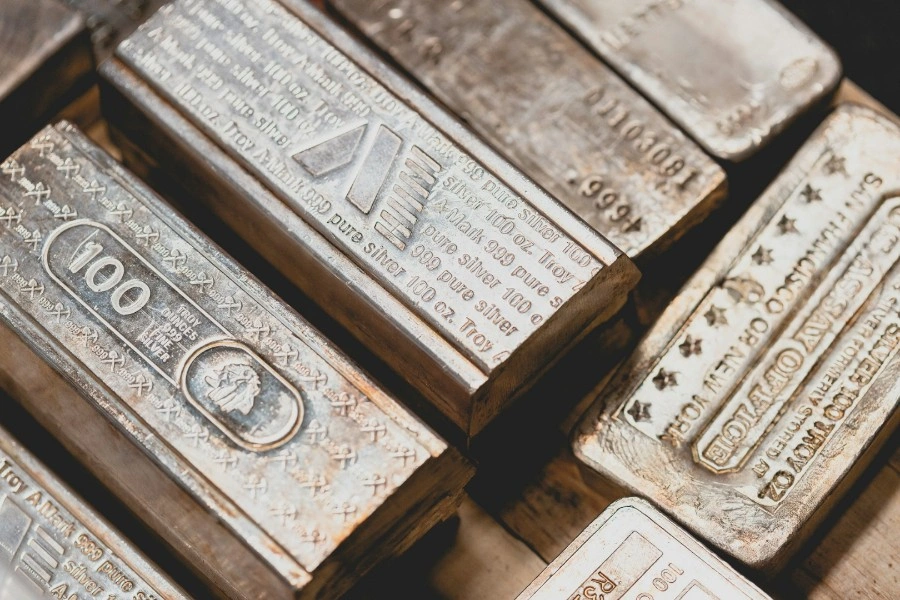
Despite near-term concerns about froth, the structural case for gold remains supported by official-sector demand. Central banks continued to accumulate bullion throughout 2025 as part of diversification strategies amid geopolitical tension, trade uncertainty, and questions about the long-term stability of reserve currencies.
This steady buying has helped underpin the market during pullbacks and reinforced confidence among longer term holders.
At the same time, developments in other precious metals have added momentum. Silver surged to record highs in December, driven by expectations of lower interest rates and strong industrial demand from sectors such as electric vehicles and solar energy.
Analysts note that silver’s rally often spills over into gold, as investors seek relative value within the precious metals complex and rebalance portfolios accordingly.
Against this backdrop, Gold prices are being shaped by competing forces, supportive macro conditions and long-term demand on one side, and elevated valuations and positioning risks on the other.
With liquidity thinning toward year end, even modest shifts in expectations around policy, inflation data, or global risk sentiment could produce outsized moves.
Despite short-term valuation concerns, the structural backdrop for gold prices remains supported by official-sector demand. According to the World Gold Council, central banks were net buyers throughout 2025, contributing to a year in which gold:
- Set more than 50 all-time highs
- Delivered over 60% annual returns
Benefited from diversification demand amid geopolitical and trade uncertainty
Meanwhile, silver added momentum to the precious metals complex, surging above USD 60 per ounce for the first time on record. Analysts attribute silver’s strength to:
- Expectations of lower interest rates
- Strong industrial demand from EVs and solar panels
- Supply constraints, as most silver output is a by-product of other mining operations
Historically, strong silver rallies often spill over into gold prices as investors rebalance across precious metals.
Also read: Gold Prices Hold Strong as Bank of America, Goldman Sachs Reinforce Bullish View
What to Watch Into Year-End
For the remainder of December, market attention is likely to remain fixed on US economic data releases, commentary from Fed officials, and any signals that either reinforce or challenge expectations of further easing in 2026.
At the same time, investors will be monitoring flows into gold backed products and price action in silver for clues about whether speculative enthusiasm is building or beginning to cool.
Looking ahead, market focus will remain on:
- Key US inflation and labor data
- Guidance from Fed officials on 2026 policy
- ETF flows and positioning indicators
- Whether gold prices can hold above the USD 4,200 support zone
While dips may continue to attract buyers, the BIS warning highlights a growing risk of larger price swings. The interplay between safe-haven demand and fears of excess will determine whether gold ends 2025 with another leg higher, or a sharp reminder that even defensive assets are not immune to volatility.
How do you feel?