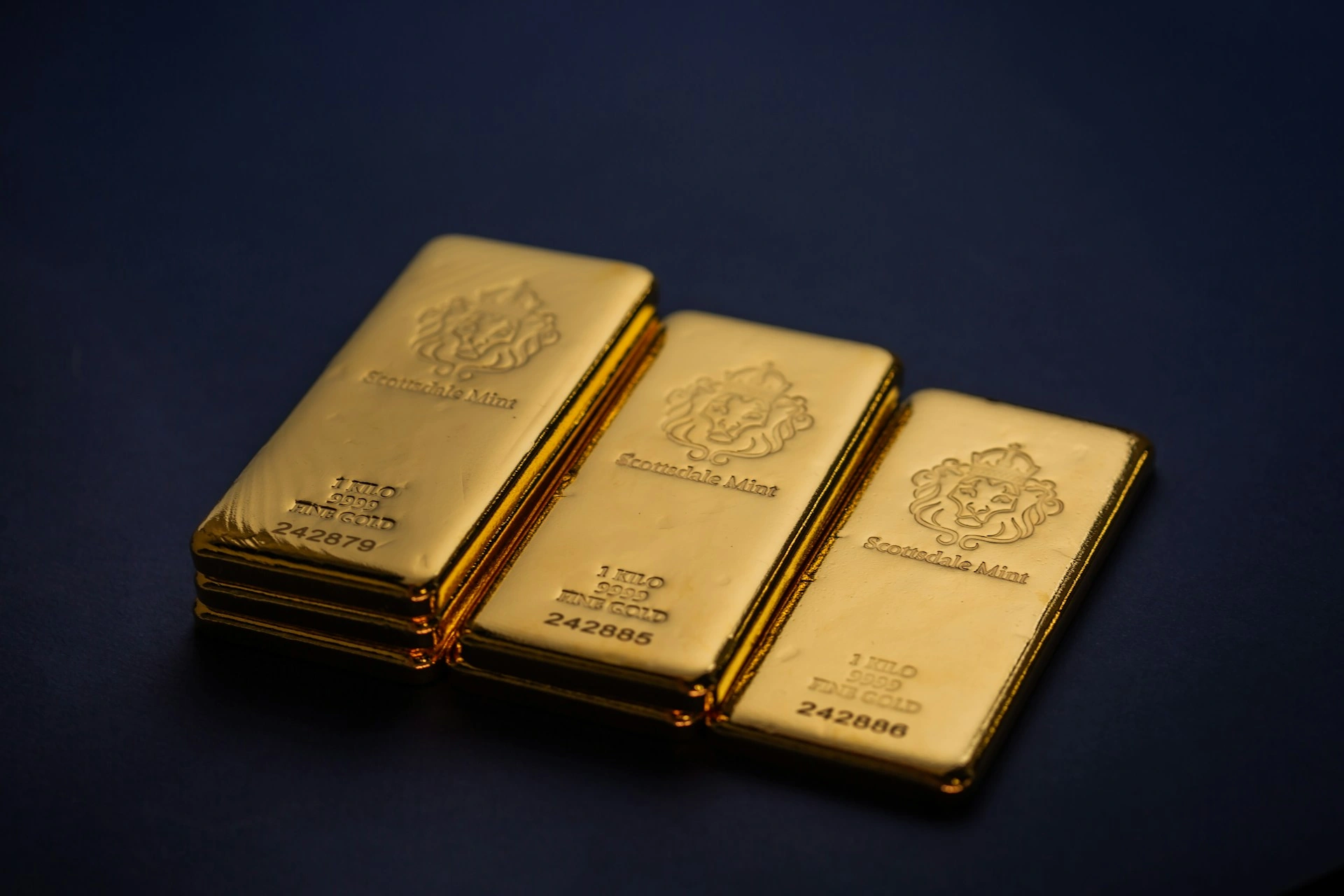
Gold prices fell to their weakest level against silver in more than four years on Tuesday, after the white metal surged beyond $60 per ounce for the first time in history. The sharp move highlights an unusual shift in the precious-metals landscape, where silver, typically the more volatile and industrially driven asset, briefly overshadowed gold following strong U.S. economic data.
As silver rallied in both London and New York trading, the value of gold relative to silver dropped to its lowest point since mid-2021. Market analysts say the development reflects a mix of monetary expectations, macroeconomic trends, and accelerating industrial demand.
Silver Rally Puts Pressure on Gold Prices
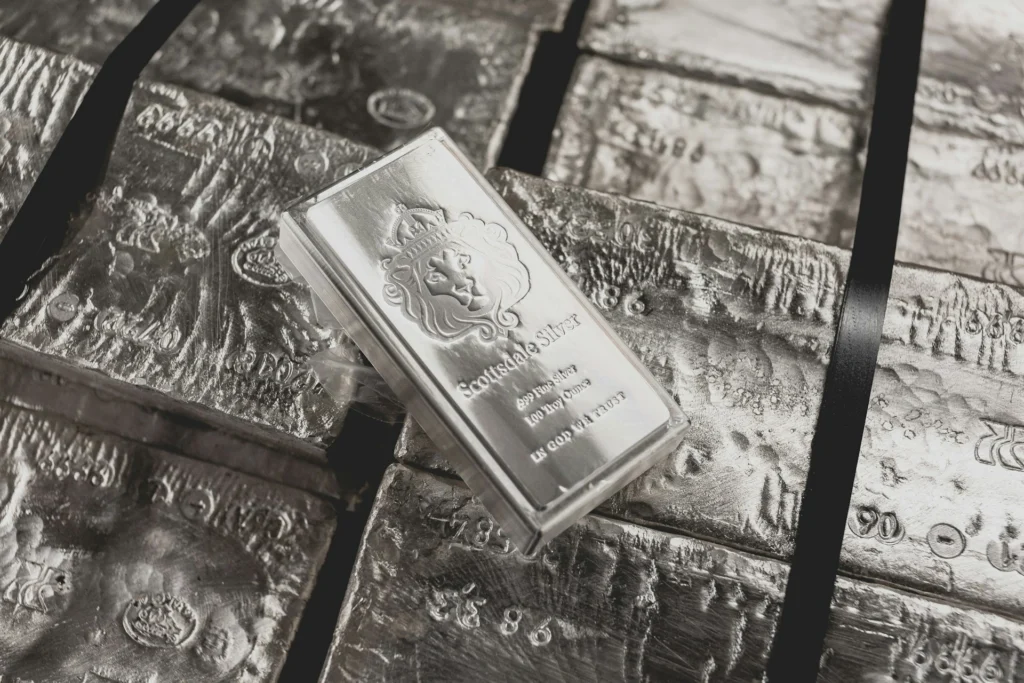
By late afternoon, silver had jumped to $60.47 per troy ounce, while gold held around $4,217 per ounce. The gold-to-silver ratio fell below 70 for the first time in 53 months. Throughout the 2010s, the ratio averaged 67.6, before climbing into the 80s during the early 2020s.
Analysts at SFA (Oxford), writing for German refiner Heraeus, noted that silver has always been the higher-beta metal, meaning its price tends to move more sharply than gold. They added that the main drivers behind gold prices, geopolitical risk, fiscal and monetary policy in the United States, interest-rate decisions, and the strength of the dollar, influence both metals, but silver reacts more aggressively.
The day’s surge was rapid, silver rose about 2.5 percent in just 70 minutes. The rally followed delayed U.S. job-openings data released after a record-long government shutdown earlier this year. The figures showed gains in vacancies for both September and October, reinforcing signals of resilience in the world’s largest economy.
Federal Reserve Expectations Shape Gold Prices
The Federal Reserve meeting scheduled for Wednesday remains a central focus. Futures trading on the CME implies a 90 percent probability of an interest-rate cut. Looser monetary policy often boosts gold prices, as bond yields tend to fall and the dollar softens.
Despite that, investor attention has recently tilted toward silver. U.S. financial group Citi now forecasts silver could reach $62 per ounce by March, citing a physical deficit between mining output and global demand, strong investment flows, and the likelihood of Fed rate cuts.
Even so, market strategists emphasize that gold prices are still driven by macroeconomic conditions. Central-bank easing, slower growth, and geopolitical uncertainty remain core reasons why gold is treated as a hedge. Concerns about the U.S. fiscal outlook, including rising federal debt and widening deficits, are also being monitored closely.
Also read: Gold Price Today: Russia Bans Gold Bar Exports, Government Tightens Underground Economy Loopholes
Industrial Demand Supports Silver While Gold Prices Lag

Industrial demand has become a crucial driver for silver. According to Metals Focus, usage in electronics and AI-powered data centers is poised to reach new records in 2025. This stands in contrast to gold, which has relatively limited industrial applications.
The solar-energy sector continues to be another major consumer of silver, although analysts expect a slight decline. Manufacturers are reducing silver content even further, after achieving a nearly 90 percent drop in usage since 2011, when prices previously peaked at $50 per ounce.
Meanwhile, gold prices lack an equivalent industrial catalyst. Gold demand remains concentrated in jewelry, central-bank reserves, and investment portfolios, making it more sensitive to economic data and interest-rate expectations. When growth is strong, investors often scale back exposure to safe-haven assets, explaining why gold has been comparatively muted over recent weeks.
Also read: Gold Prices Stabilize Above $4,200 While Silver Jumps to Unprecedented Levels
What’s Next for Gold Prices and Silver?
Markets are now watching two main fronts, Federal Reserve policy and industrial trends. If policymakers deliver rate cuts as expected, gold prices could find renewed support. However, momentum in the short term remains firmly with silver, particularly if demand from AI-related infrastructure stays strong.
Investors are also preparing for possible volatility. Rapid market rallies can lead to pullbacks, especially in high-beta assets like silver. Yet sentiment from major banks remains constructive for both metals, with medium-term price targets still pointing higher.
The latest moves underline a familiar lesson, gold and silver do not always trade in lockstep. When industrial demand accelerates and monetary expectations shift, price dynamics can reverse quickly. For now, silver has stepped into the spotlight, even as gold prices continue to serve as a leading indicator of global sentiment.
How do you feel?