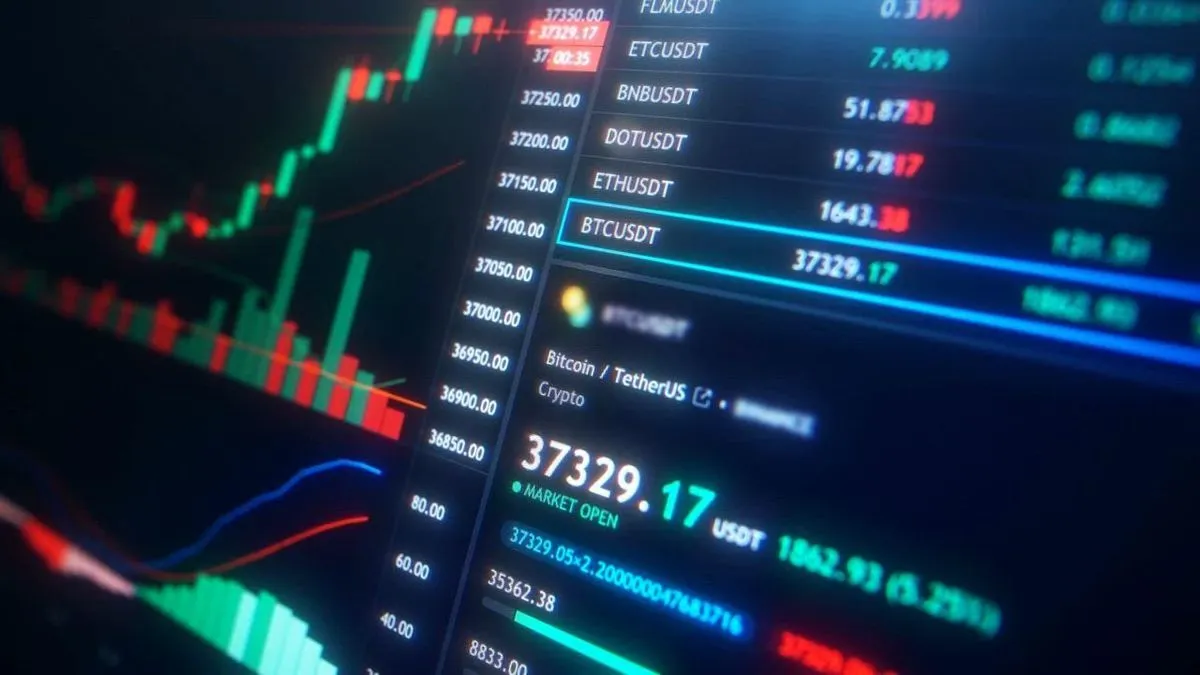
Bitcoin prices experienced a slight decline on Friday but managed to hold most of their gains from a sharp recovery earlier in the week. Investors remain focused on the upcoming U.S. Federal Reserve decision and the release of critical inflation data, which could influence Bitcoin prices in the near term.
As of 09:02 ET (14:02 GMT), Bitcoin prices were down 1.4%, trading around $90,639. Earlier this week, Bitcoin prices dropped close to $84,000, their lowest level in nearly a month, due to widespread risk-off sentiment and large leveraged liquidations in the cryptocurrency market.
Fed Rate Cut Expectations Support Bitcoin Prices
The rebound in Bitcoin prices midweek was largely driven by increasing expectations that the Federal Reserve might cut interest rates in the near future. On Thursday, U.S. jobless claims fell sharply to their lowest level in over three years. This data suggested that the labor market is beginning to cool, giving the Fed more room to ease monetary policy.
Lower borrowing costs generally benefit riskier assets, including cryptocurrencies like Bitcoin. As a result, many investors are optimistic that a Fed rate cut could provide further support to Bitcoin prices.
However, traders remained cautious ahead of Friday’s release of the U.S. Personal Consumption Expenditures (PCE) inflation report, one of the Fed’s preferred gauges of inflation. A softer-than-expected inflation reading could bolster the case for a rate cut and potentially drive Bitcoin prices higher.
Institutional Activity Slows Amid Market Volatility
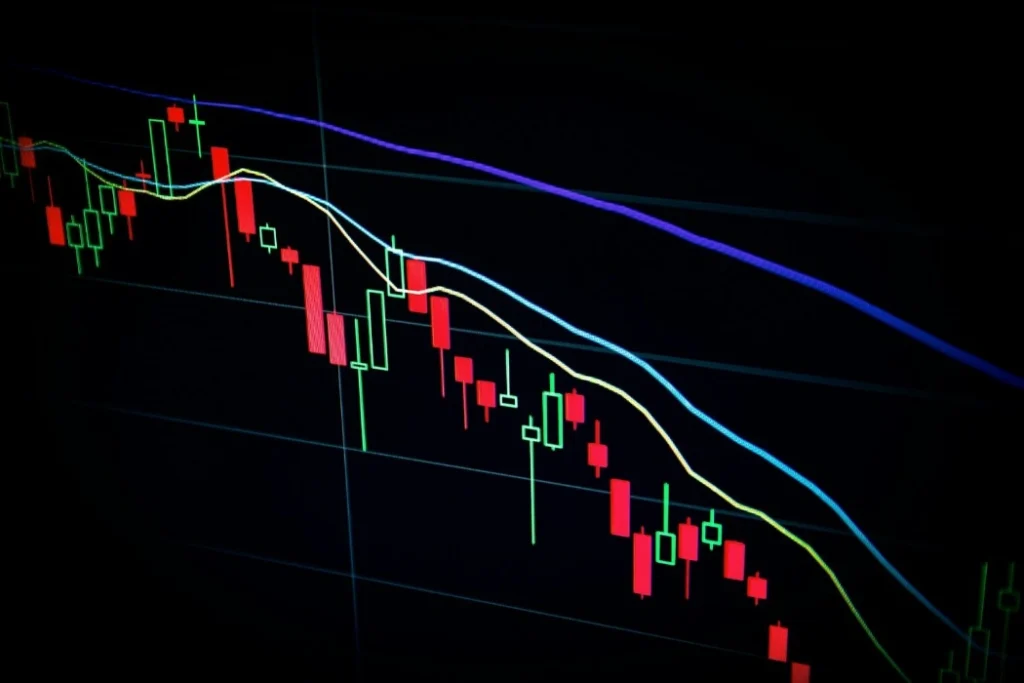
Despite the midweek recovery, reports indicate that institutional inflows into Bitcoin have slowed compared to previous quarters. This decline in large-scale investments leaves Bitcoin prices more vulnerable to rapid fluctuations caused by derivatives trading and shifts in market sentiment.
The crypto market’s increased volatility has been exacerbated by a wave of leveraged liquidations, which wiped out excess speculative positions earlier in the week. This shakeout has cleared some of the excess leverage, allowing Bitcoin prices to realign with broader macroeconomic factors.
Also read: YoungHoon Kim, World’s Highest IQ Holder, Reveals Daily Bitcoin Buying Habit
Major Financial Institutions Embrace Cryptocurrency Exposure

In a significant move signaling growing acceptance of digital assets, Bank of America announced that starting January 2026, its wealth management advisors will be able to recommend crypto allocations to client portfolios.
The recommended exposure to cryptocurrency exchange-traded products (ETPs) will range between 1% and 4% of a client’s total investments.
This new policy applies to advisors at Bank of America Private Bank, Merrill, and Merrill Edge, reflecting the rising interest from clients for thematic innovation and digital asset diversification.
Bank of America strategists will begin covering four major Bitcoin ETFs, including those from Bitwise, Fidelity, Grayscale, and BlackRock, to support the new recommendation framework. This institutional embrace is expected to provide more stability and long-term growth potential for Bitcoin prices.
Market Analysts View Bitcoin Price Drop as Healthy Correction
According to BCA Research, the recent drop in Bitcoin prices represents a healthy market correction rather than a fundamental shift. The sharp decline was driven by speculative excess, record liquidations, and a collapse in market sentiment rather than changes in the cryptocurrency’s intrinsic value.
Also read: Crypto Market Correction Hits Bitcoin Prices, What’s Next for Investors?
BCA Research highlights that treasury premiums have turned into discounts, supply-in-profit metrics have reached levels consistent with past lows, and the Fear and Greed Index for Bitcoin has reverted to extreme levels seen in 2022.
With most leverage cleared from the market, BCA believes Bitcoin prices are now poised to reconnect with macroeconomic drivers. Continued ETF inflows, expanding institutional demand, and Bitcoin’s growing reputation as a “global wealth insurance asset” in uncertain economic times are expected to support price stability and potential gains.
Bitcoin remain sensitive to upcoming U.S. inflation data and the Federal Reserve’s policy decisions. While short-term volatility persists, institutional interest and macroeconomic factors suggest that Bitcoin prices could stabilize or rise in the medium term. Traders and investors should closely watch the PCE inflation report and Fed signals to gauge the future trajectory of Bitcoin prices.