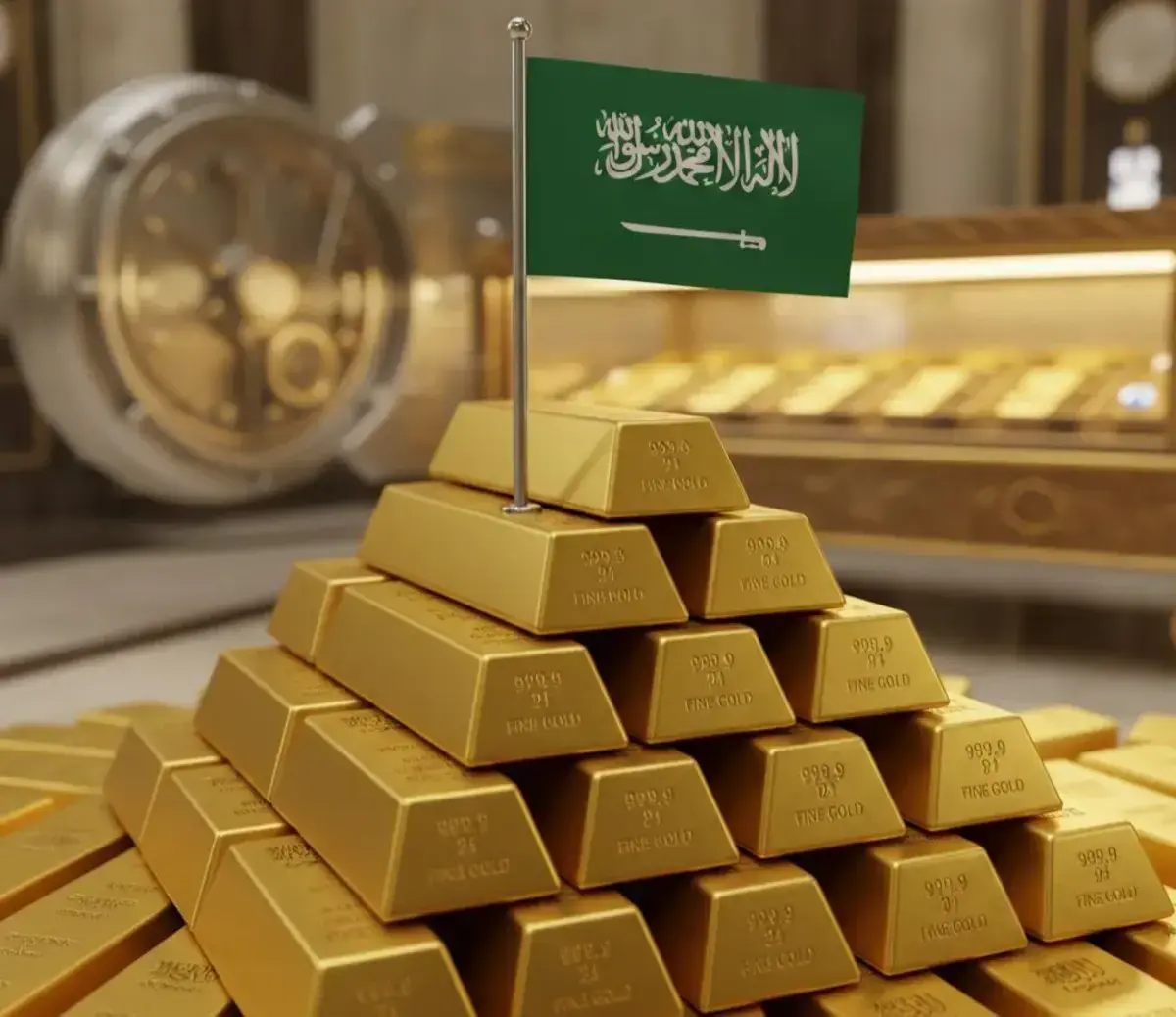
Gold continues to dominate global market conversations as its momentum shows no signs of fading. After setting multiple new records this year, many analysts now believe that gold prices could climb toward $5,000 per troy ounce by 2026.
This projection is driven by a convergence of economic factors, geopolitical risks, and increasing institutional demand that continues to strengthen the market’s long-term outlook. Below is a deeper look into the forces that are shaping these ambitious forecasts.
Central Banks and Institutional Investors Remain Major Drivers
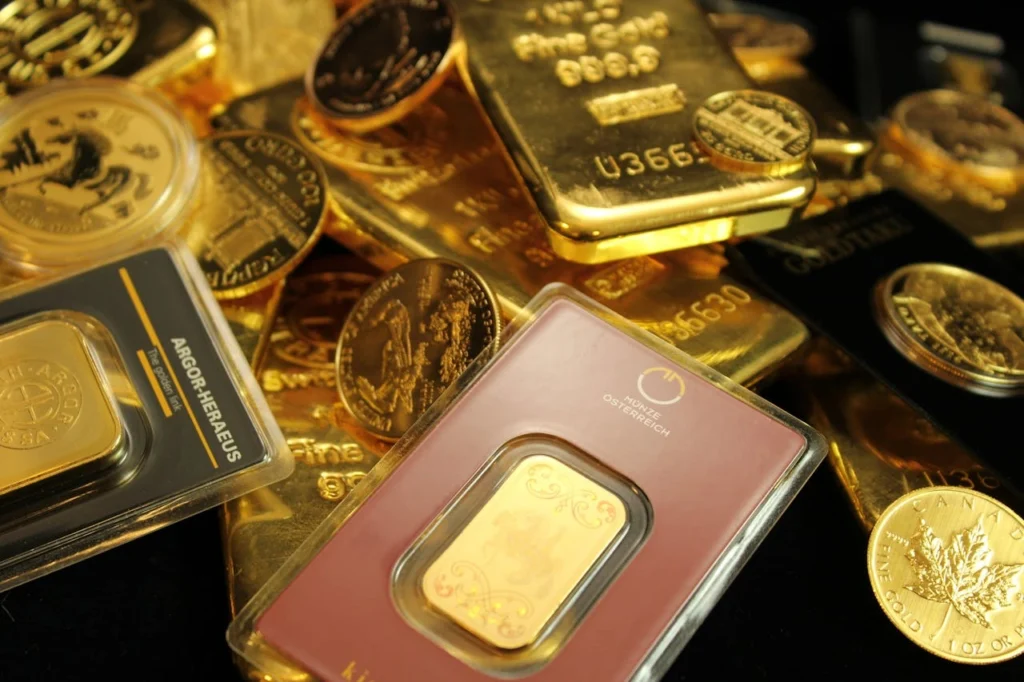
A significant part of the bullish outlook comes from the steady, long-term accumulation of gold by central banks around the world. Over the past several years, many central banks, especially in emerging economies, have been diversifying their reserves away from the U.S. dollar. This persistent demand acts as a stable foundation supporting higher gold prices.
A recent Goldman Sachs survey of more than 900 institutional investors reinforces this sentiment. According to the report, roughly 70% of respondents expect gold prices to continue rising over the next two years, with 36% predicting a surge toward or beyond $5,000 by the end of 2026. This confidence stems from the understanding that central banks are largely insensitive to short-term market fluctuations, making their demand one of the most reliable pillars of the gold market.
Institutional investors, such as hedge funds, pension funds, and asset managers, have also increased their exposure to gold amid concerns over inflation, fiscal imbalances, and the potential for long-term economic slowdown. With global uncertainty rising, gold continues to reassert its role as a defensive cornerstone in diversified portfolios.
A Weaker Dollar and Low Bond Yields Strengthen Gold’s Appeal

Another major force influencing the market is the ongoing weakness in the U.S. dollar. Growing worries about ballooning U.S. government debt have led investors to re-evaluate the dollar’s stability, increasing the appeal of alternative stores of value. Historically, the dollar and gold prices have moved inversely, meaning that downward pressure on the dollar often boosts demand for gold.
At the same time, bond markets are offering little incentive for investors seeking returns. With yields expected to remain subdued, the opportunity cost of holding a non-yielding asset like gold becomes much smaller. This environment creates fertile ground for upward movement in gold prices.
Also read: 24K Gold Price Today in All Markets: Global Gold Price Rise by 1%
UBS recently reaffirmed its “Attractive” rating on gold, projecting a mid-2026 price target of $4,500. The bank highlighted geopolitical tensions, fiscal uncertainty, and lower-for-longer bond yields as key catalysts that could continue to push investors toward safe-haven assets. These factors help explain why gold is currently trading around $4,220 per ounce, only slightly below its recent record of $4,400, yet still up more than 60% since the beginning of 2025.
This dramatic outperformance relative to major equity indices shows that gold’s rise is not just a short-lived spike but part of a broader structural shift in investor sentiment.
Tight Supply and Expanding Global Demand Create Structural Support
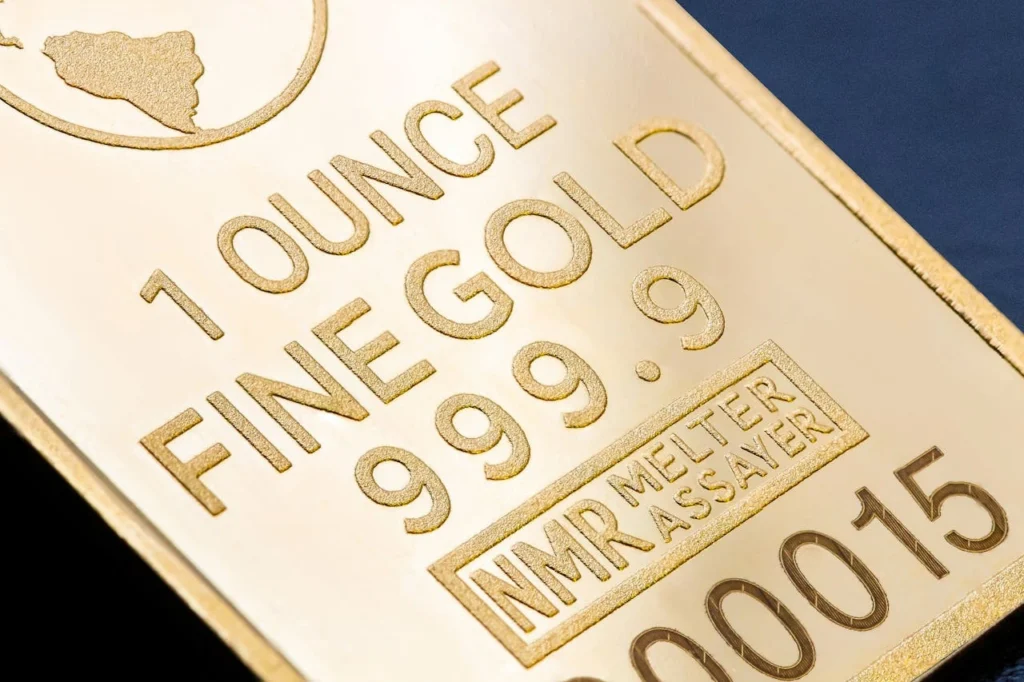
In addition to macroeconomic forces, the gold market is also experiencing a widening gap between supply and demand. While demand from central banks and investment vehicles continues to grow, global gold production has not kept pace. This supply-demand imbalance provides another layer of support for higher gold prices.
Deutsche Bank, which previously forecasted gold at $4,000 for 2026, recently raised its outlook to $4,450, with an estimated range of $3,950 to $4,950. The bank noted that investment demand, particularly from gold ETFs, is diverting supply away from traditional sectors such as jewelry. This reinforces the view that gold is increasingly being treated as a strategic financial asset rather than merely a commodity.
Also read: Gold Price Today Comparison of 22k Gold in 10 Countries: Which Ones are The Highest?
Moreover, ongoing geopolitical uncertainty, from regional conflicts to trade disputes, continues to increase the market’s appetite for safe-haven assets. In times of global instability, capital often flows toward what investors perceive as the most secure asset available, and this recurring pattern strengthens the argument for rising gold prices in the years ahead.
With strong central bank buying, a weakening dollar, low bond yields, and tight market fundamentals, many analysts believe that gold reaching $5,000 by 2026 is not only possible but increasingly plausible. Multiple long-term trends are aligning in gold’s favor, and the ongoing global uncertainty ensures that the metal remains a priority for investors seeking stability.
If these conditions persist, gold prices may continue their upward trajectory, solidifying gold’s status as one of the most reliable stores of value in an unpredictable global economy.